
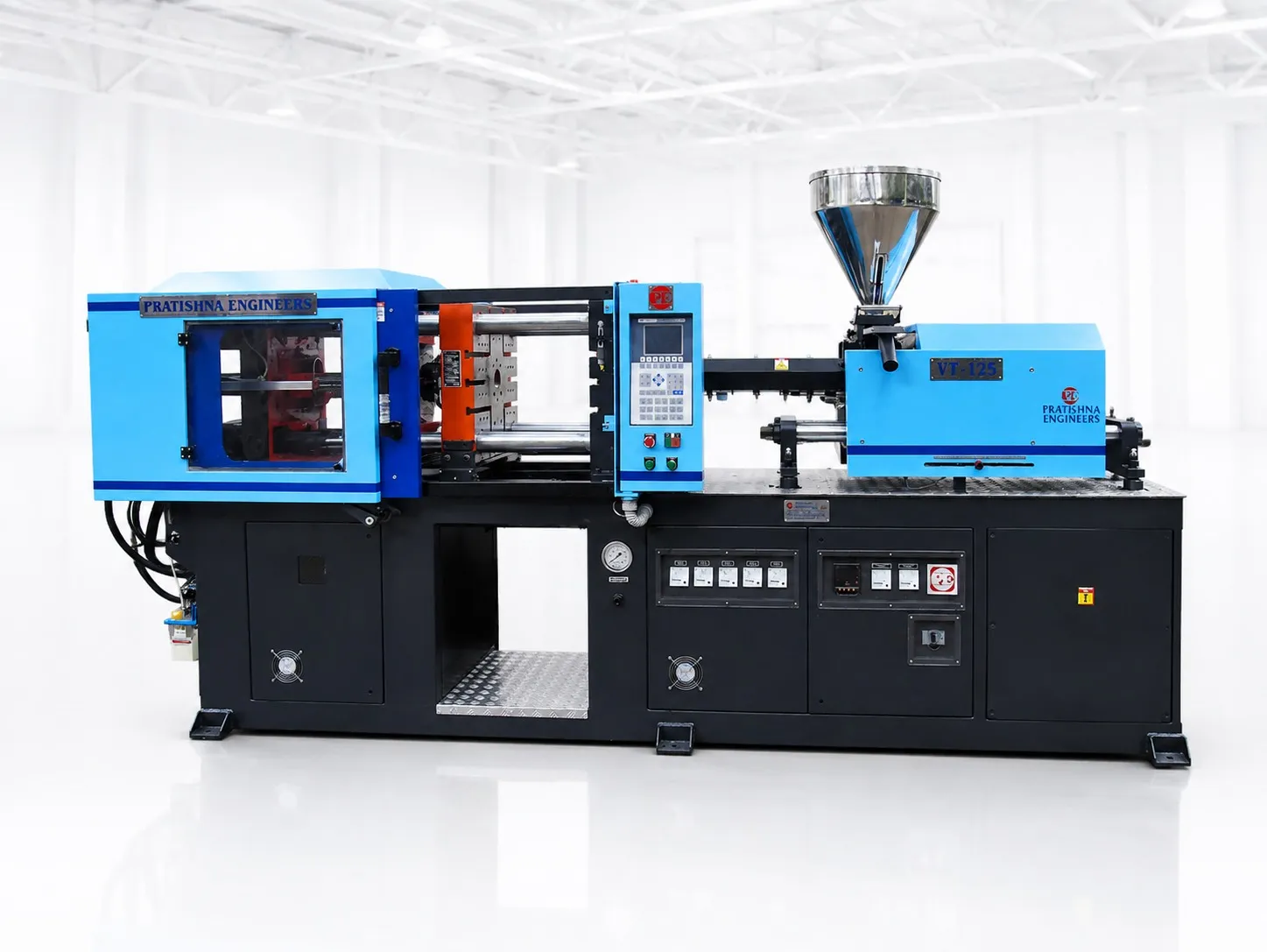
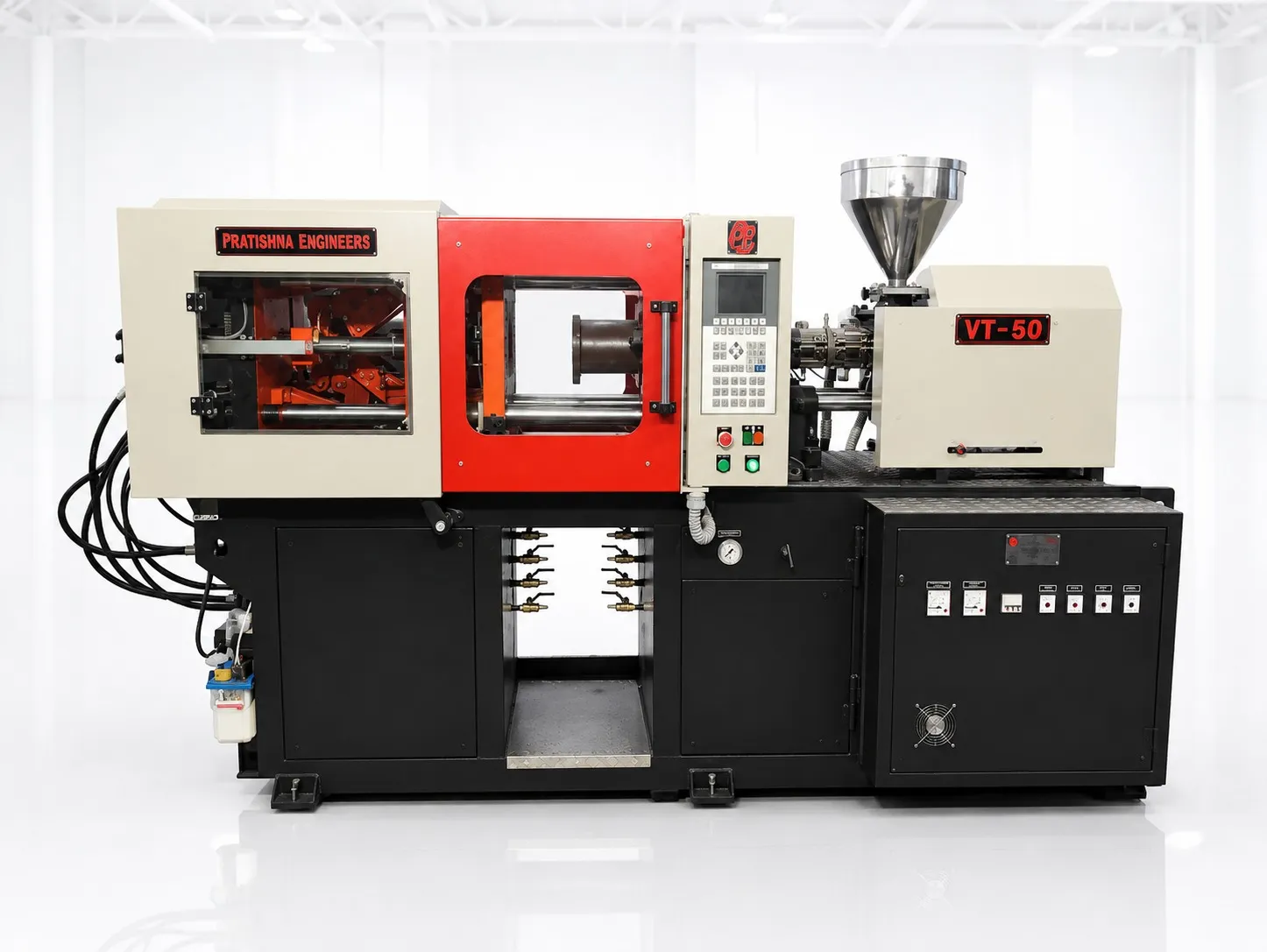
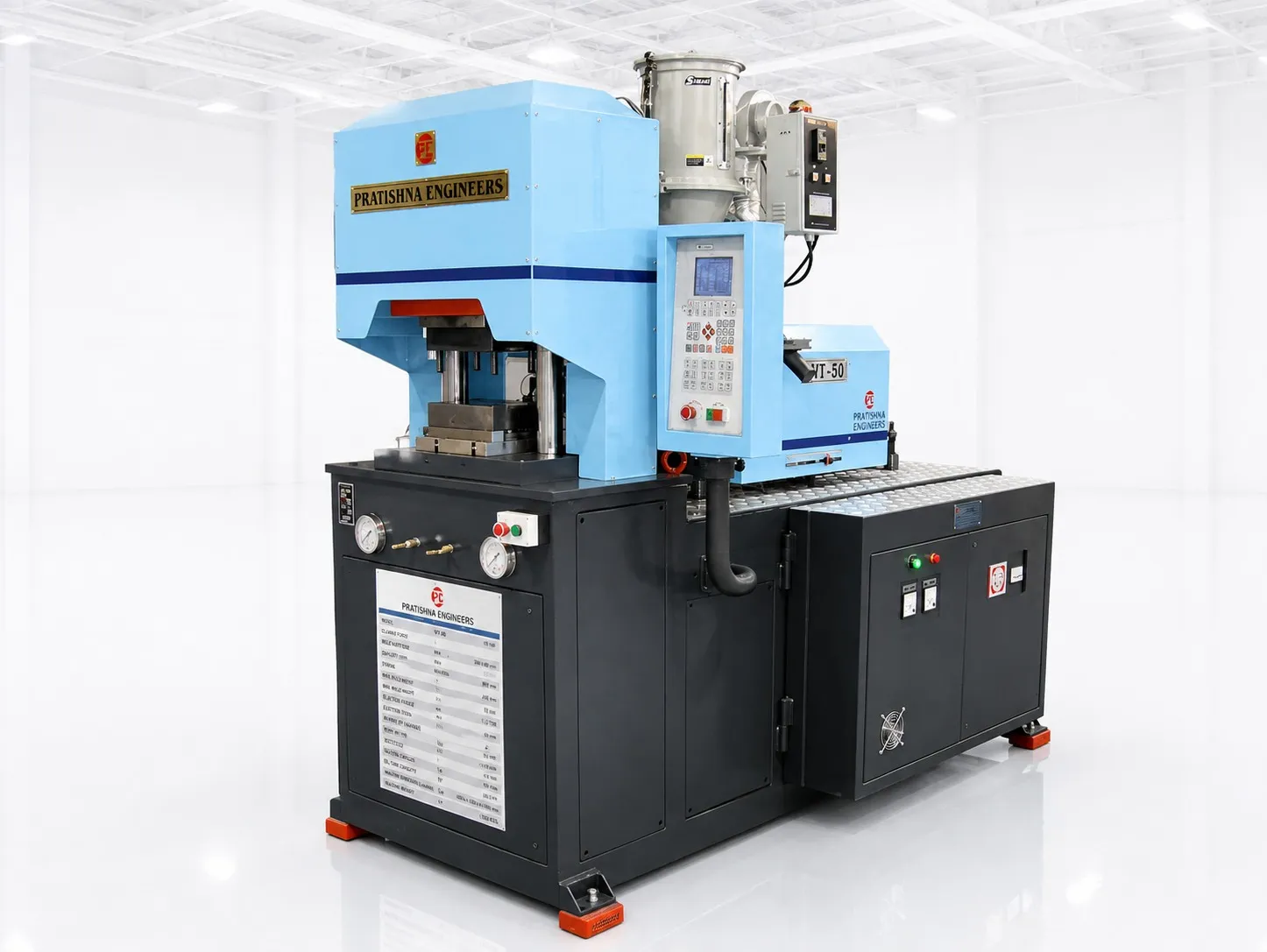
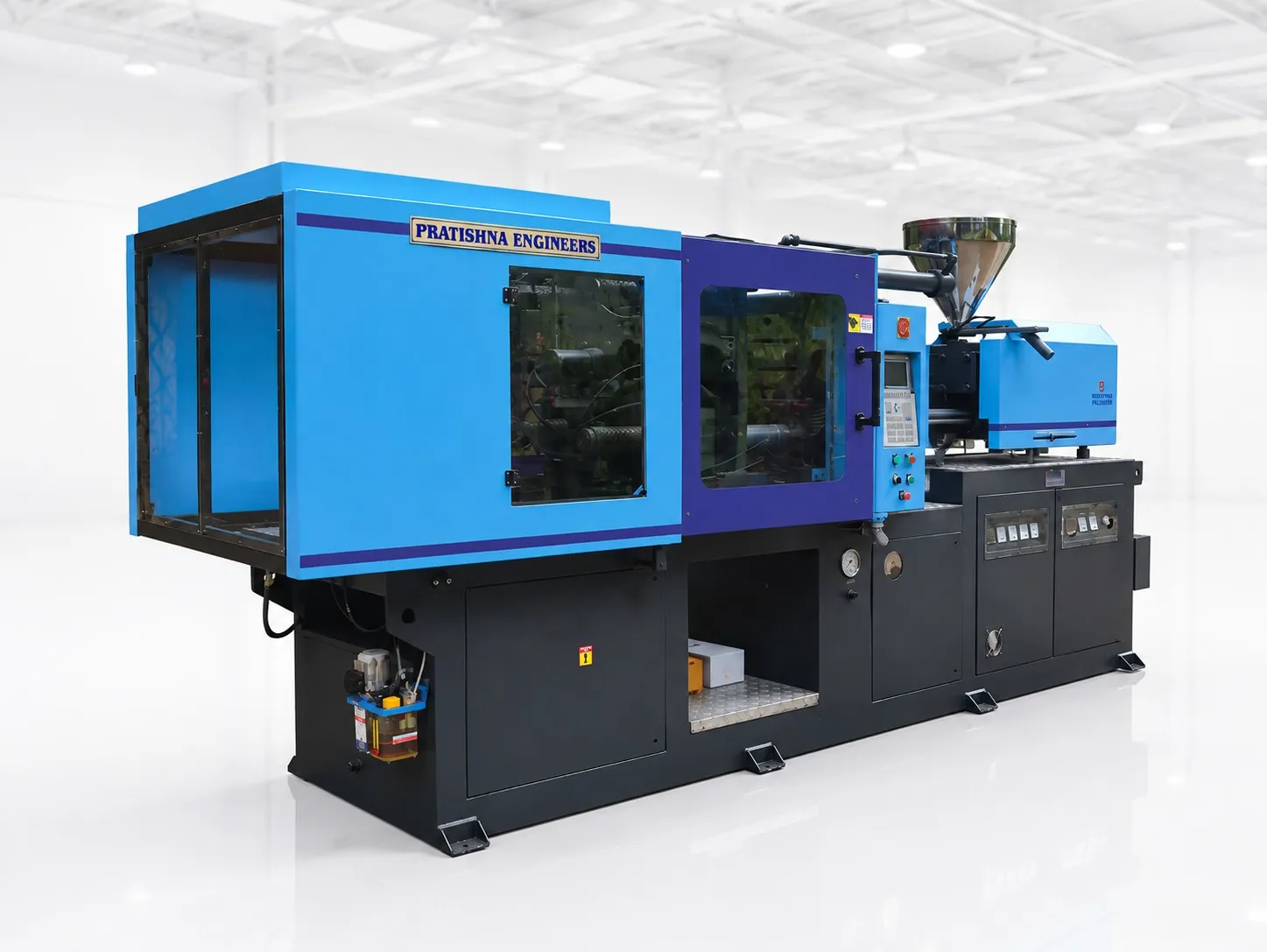
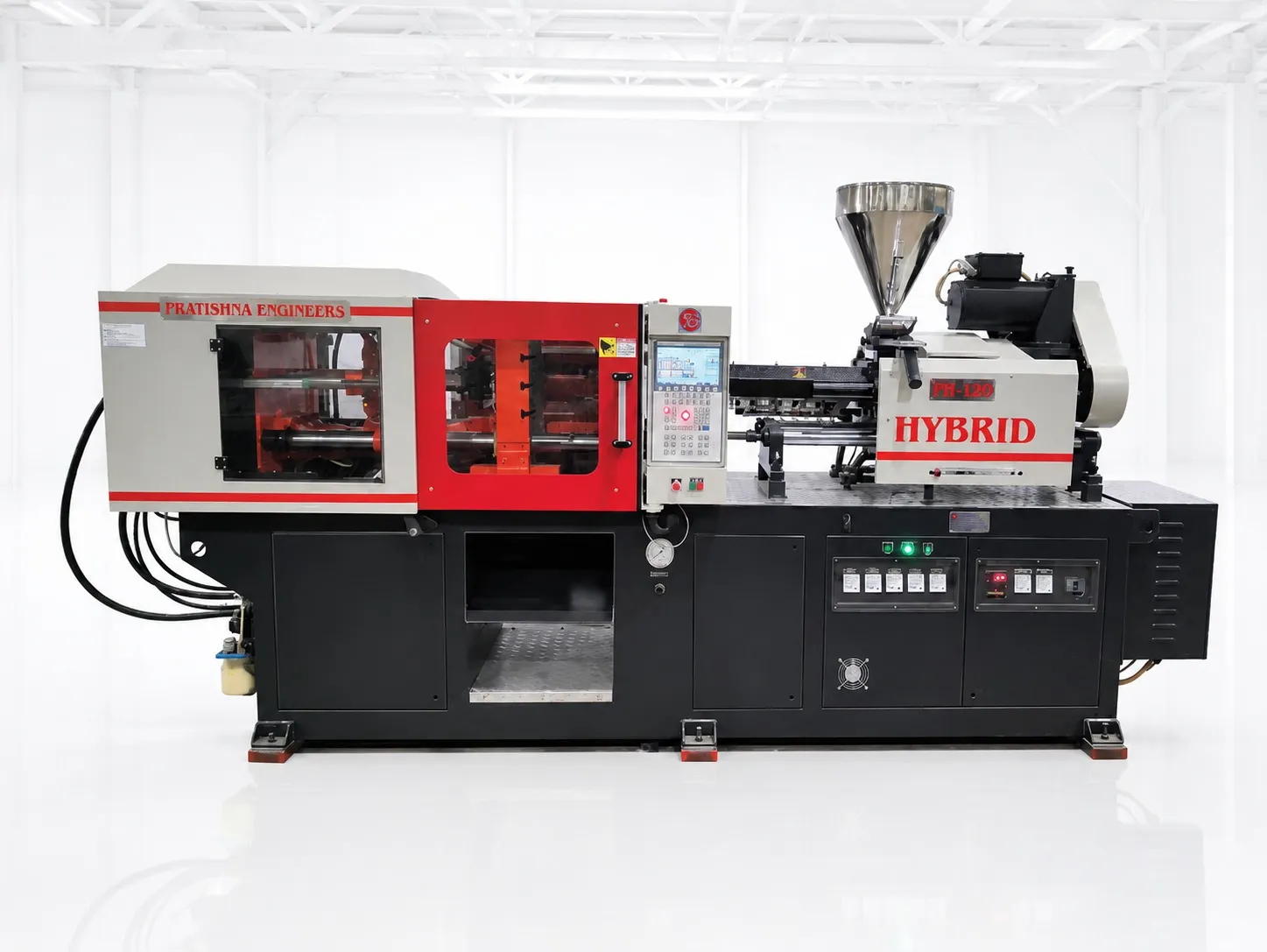
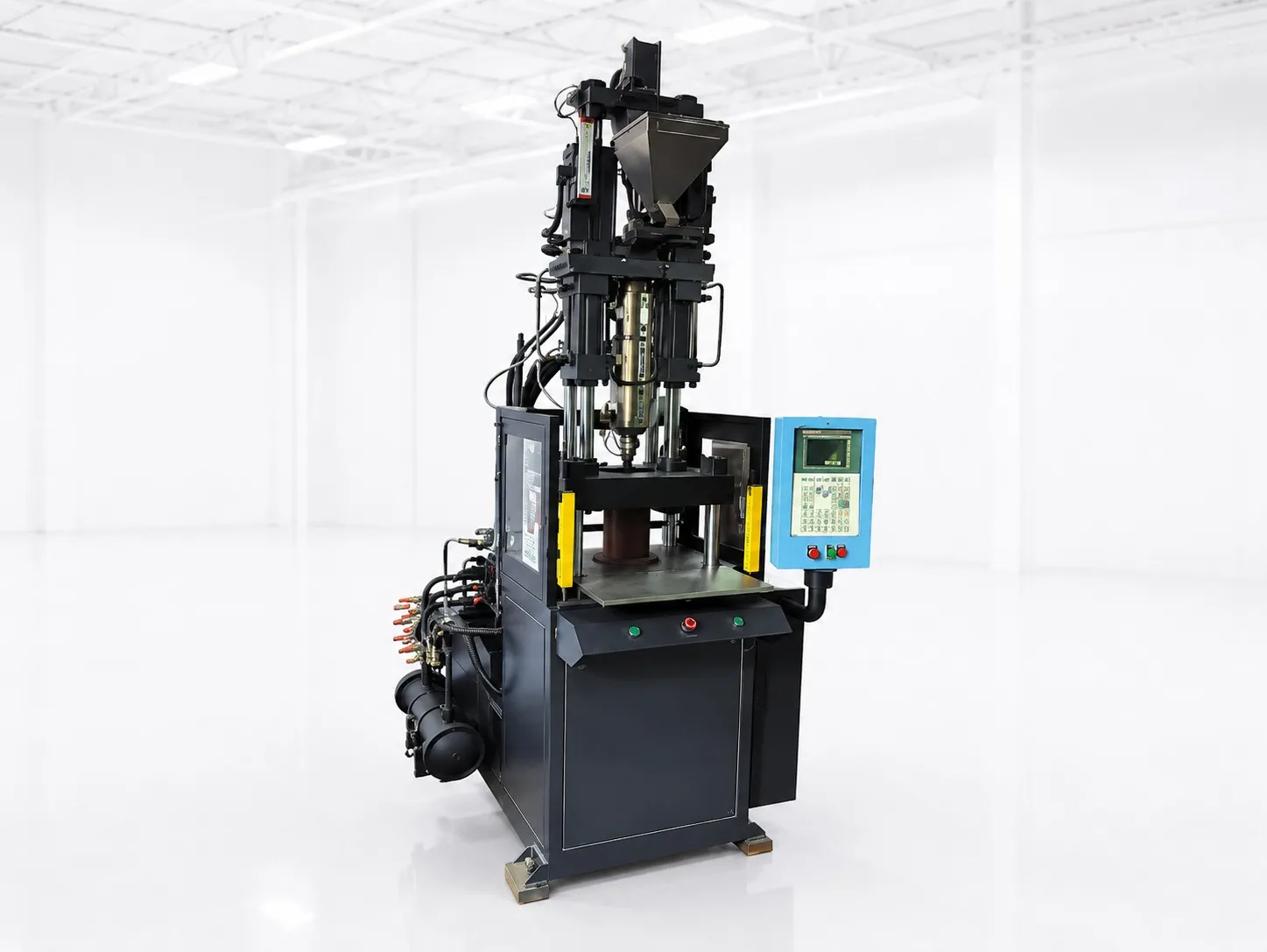
Injection Moulding Machine for Bottle Teats and Nipples
Bottle teats and nipples are made on LSR (liquid silicone rubber) injection moulding machines that mix two silicone components and inject them into a heated mould, where the part cures. Machine size depends on cavity count and mould size. Flash control at the thin tip matters most.
Machine selection for teats centres on accurate two-component dosing, a cold runner that keeps silicone uncured until it reaches the hot cavity, and clean demoulding of a soft, thin part. Pratishna Engineers builds special purpose injection moulding machines to application and can recommend a configuration for teat moulding.
Moulding Silicone Bottle Teats?
Share your teat design, silicone grade, cavity plan and volume, and Pratishna Engineers will discuss a machine built to application.
Machine Requirements for Bottle Teat Moulding
LSR behaves unlike thermoplastics: it flows like oil, cures with heat and fills the finest gaps. A teat line needs:
- Two-component metering and static mixing of LSR
- Cold runner or cold deck to stop early curing
- Heated mould with even temperature across all cavities
- Tight parting line and vacuum venting against flash
- Demoulding of a soft hollow teat off its core
- Clean handling of food-grade silicone from drum to mould
Recommended Machine for Bottle Teats and Nipples
Bottle teats are small, but LSR needs a machine set up for the process, with metering, mixing, a suited screw and nozzle and mould heating control. Pratishna Engineers builds special purpose injection moulding machines to application, so the machine is specified around your teat design, cavity count and silicone grade rather than taken from a standard series.
Not Sure Which Machine You Need?
Share your teat and mould details to discuss a special purpose machine.
Why Choose Pratishna Engineers?
- Application-Based Machine Selection
- In-House Engineering & Manufacturing
- Multiple Machine Series
- Production-Focused Solutions
- End-to-End Technical Support
- Industry-Specific Solutions
- Machine Lifecycle Support
Injection Moulding Machine Buyer Resources
Download practical resources to help you select, size and specify the right machine.
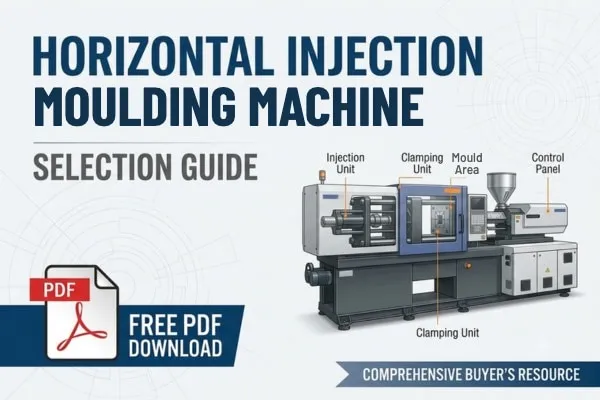
Special Purpose Injection Moulding Machine Selection Guide
A step-by-step guide covering the key inputs needed to specify a machine built to application: component and process, product weight, projected area, number of cavities, plastic material, required clamping force, shot / injection capacity, mould dimensions, production quantity, cycle time and automation requirement.
Download PDFPDF · 265 KB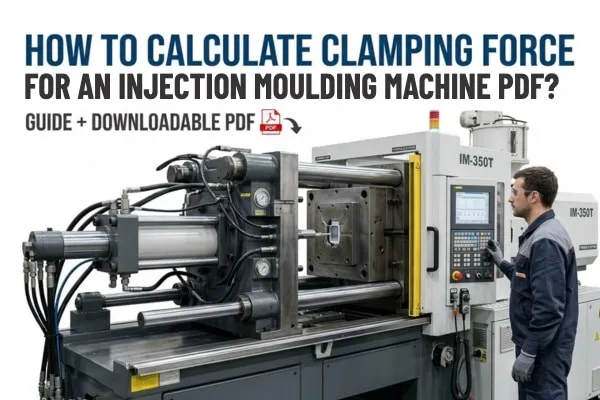
How to Calculate Clamping Force for an Injection Moulding Machine
A clear methodology that explains how clamping force is calculated, covering projected area, injection pressure, safety factor, number of cavities and material considerations.
Download PDFPDF · 363 KBBaby Care Components & Machine Guide
A guide to Baby Care components, covering feeding bottles, caps, sippers, teethers, spoons, bath tubs and potties. It explains food-contact materials, clean moulding practice, multi-cavity tools for small parts, mould size for large parts, and how to match each part to a suitable machine.
Download PDFPDF · 223 KB
FAQs / Buyer Questions
Points teat makers usually check before investing in LSR moulding.
Which Injection Moulding Machine Is Used to Make Bottle Teats?
Teats need an LSR machine rather than a standard thermoplastic one. Because results depend on dosing, mould heating and demoulding, Pratishna Engineers specifies a special purpose machine around the teat mould and target output.How Is Flash Avoided on Silicone Teats?
LSR has very low viscosity, so it escapes through any gap at the parting line or around ejectors. Close mould fit, vacuum venting before injection and controlled injection pressure keep the tip and flange clean.How Is the Feeding Hole Made?
Feed holes or cross-cuts are often made after moulding by piercing or cutting, since a moulded hole that small is hard to control. Milk flow depends on the hole, so this step is planned with the moulding line.
Can Latex Teats Be Made the Same Way?
No. Latex teats are generally made by dipping formers into liquid latex, not by injection. The LSR process covers silicone teats only. Compression moulding of solid silicone is another route some makers use.Can Pratishna Recommend a Machine for My Bottle Teat?
Yes. Share the teat drawing or sample, silicone grade and hardness, part weight, mould dimensions, cavity count and monthly volume, and Pratishna Engineers will advise on a machine built to application.Does the Machine Suit Other Silicone Baby Care Parts Too?
An LSR machine can also run silicone teethers, pacifier teats, spoon tips and breast pump valves, with each mould reviewed for dosing and heating needs.
Technical Disclaimer
Disclaimer: The information provided in this webpage is for general informational and educational purposes only. It is based on technical references and industry information available at the time of preparation and may be subject to change. It does not constitute engineering, technical, commercial or professional advice, nor does it constitute a quotation, specification, warranty or contractual commitment by Pratishna Engineers.
Actual injection moulding machine and process requirements vary according to the component design, material, mould, production volume, machine configuration and operating conditions. The information, examples, calculations and recommendations provided should be independently evaluated and verified for the specific application before making any equipment, process or production decision. Information obtained from third-party sources remains subject to the accuracy and limitations of those sources.
Limitation of Liability: Pratishna Engineers makes no representation or warranty, express or implied, regarding the completeness, accuracy or suitability of the information for any particular application. To the extent permitted by applicable law, Pratishna Engineers shall not be liable for any loss, damage, cost or consequence arising from reliance on or use of the information contained in this webpage. Final machine selection, configuration and application suitability should be confirmed with Pratishna Engineers based on complete and accurate project requirements.
Talk to Our Engineers
Planning a New Injection Moulding Project?
Share your component, material, mould and production target. Our engineering team will help you identify the right machine configuration.
- Machine Sales
- +91 99690 38542
- Service Support
- +91 97689 28259
- Sales Email
- [email protected]