
Injection Moulding Machine for Hollow-Wall Anchor Fasteners
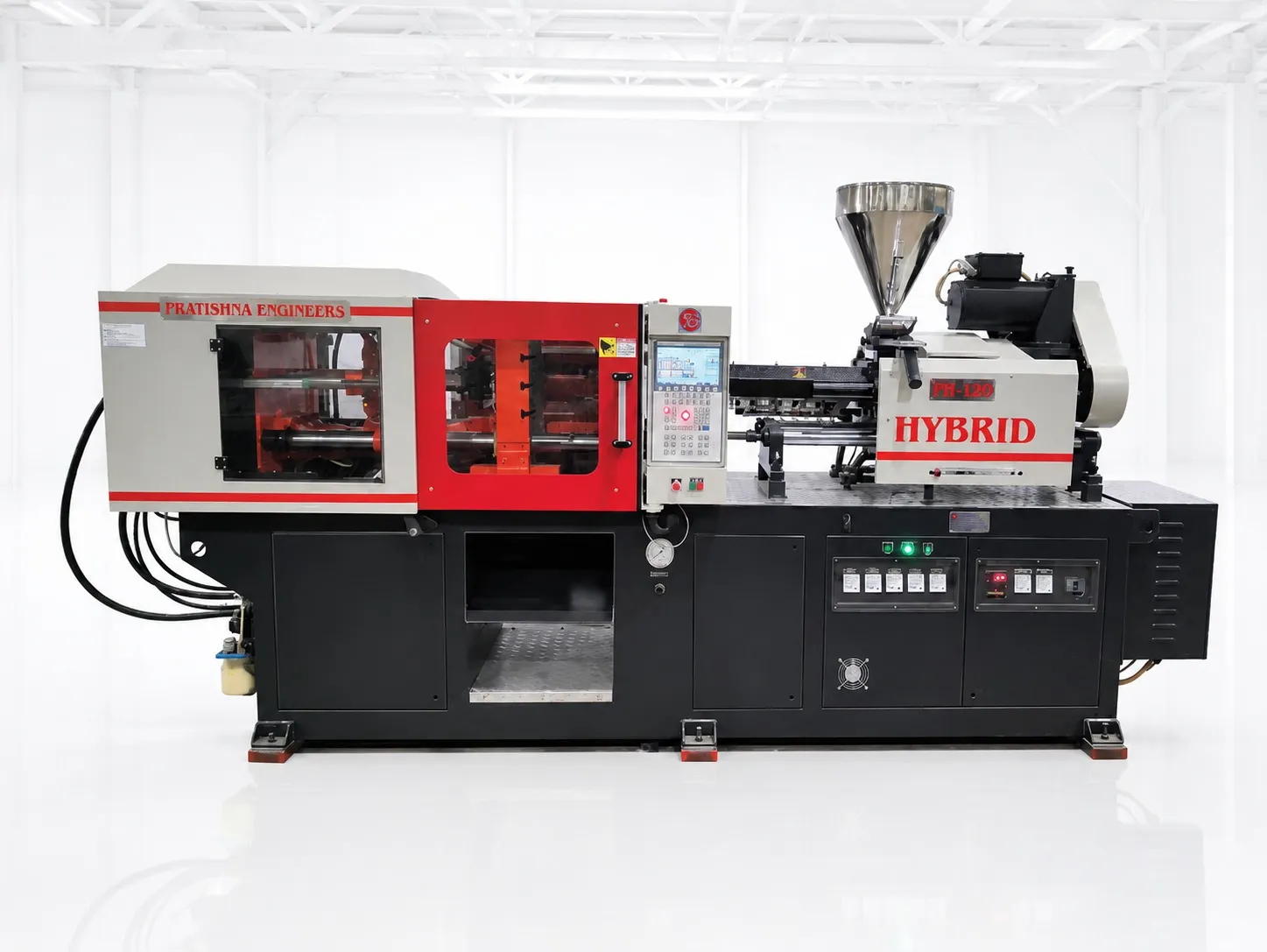
Hollow-wall anchor fasteners are produced on horizontal injection moulding machines from PA6, PA66, PP or PE, usually in multi-cavity moulds fitted with core pulls. Cavity count and the slides needed for the expansion legs decide machine size. Drying nylon before moulding matters most, as pull-out strength depends on it.
Selection for anchors centres on mould space for core-pull tools and on consistent shots that keep pull-out load steady. Pratishna Engineers supplies horizontal injection moulding machines for hollow-wall and toggle anchor production and can propose a configuration around your anchor range.
Manufacturing Anchor Fasteners?
Share your anchor drawings, board type, material and pull-out target, and Pratishna Engineers will recommend a machine.
Machine Requirements for Anchor Fastener Moulding
Anchors are sold on a tested pull-out load, so the machine must repeat the same part shot after shot. Points to plan for:
- Core pull circuits for slides forming expansion and folding legs
- Dryer sized to keep PA6 and PA66 dry before moulding
- Stable shot weight so pull-out load does not drift
- Controlled regrind use, with retesting after any change
- Thin hinge zones on toggle legs filled without weld lines
- Mould height and tie-bar space for multi-slide tools
Recommended Machine for Anchor Fasteners
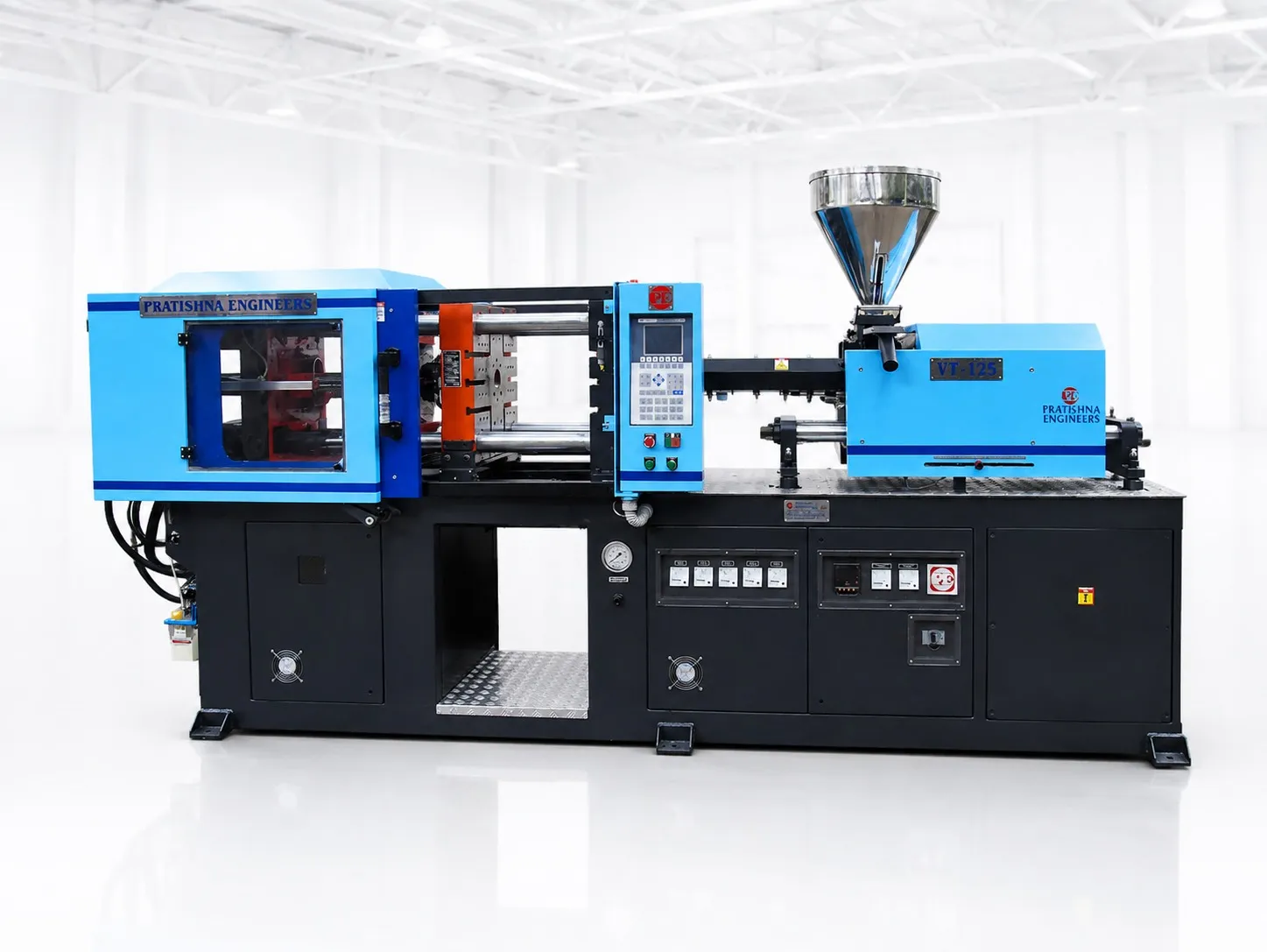
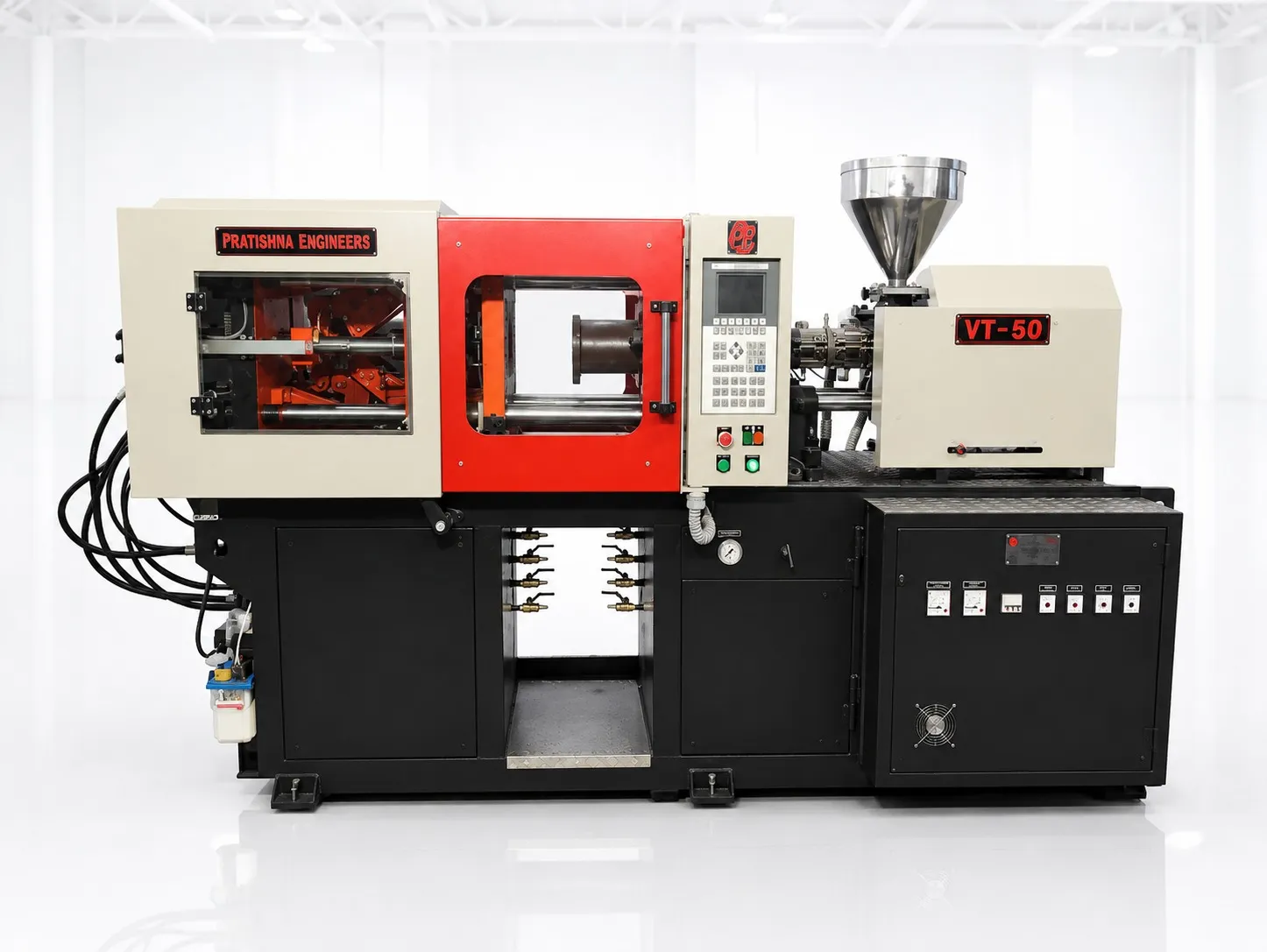
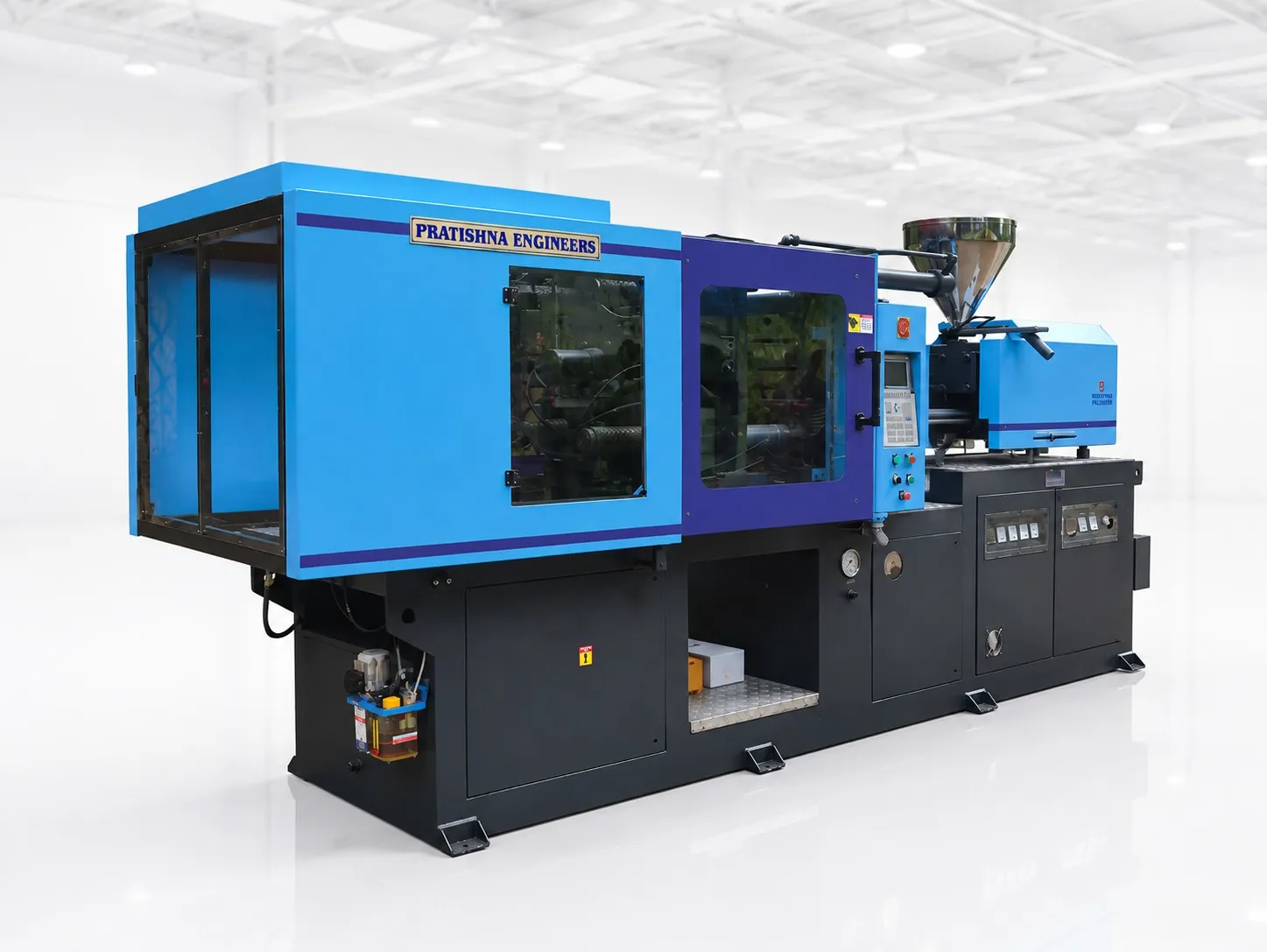
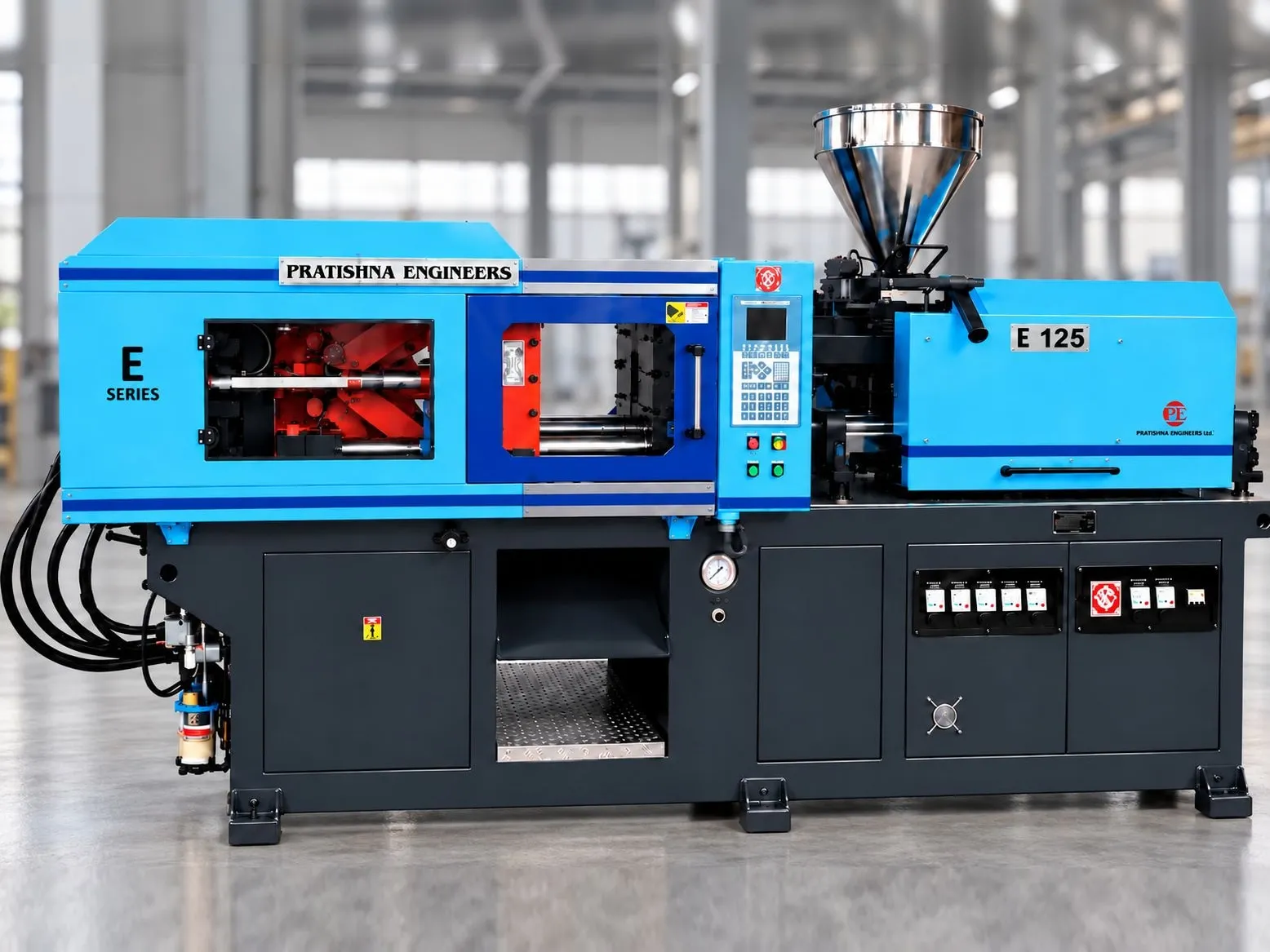
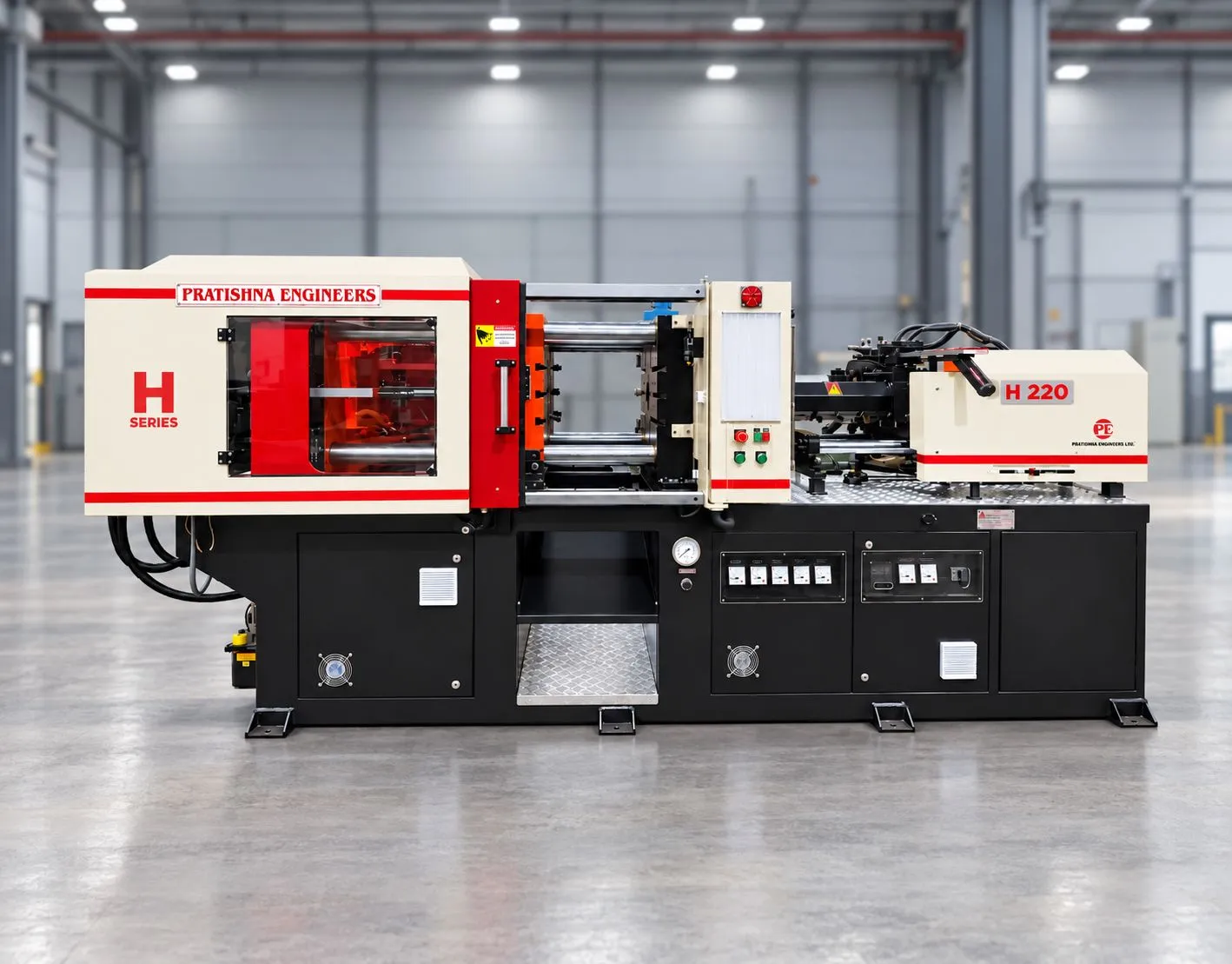
Anchor fasteners are small, but core pulls and slides make their moulds larger than the part suggests. The E Series (75-180 T) suits many plasterboard and hollow block anchor moulds. Toggle and folding anchors in high-cavity tools with several slides may need the larger platen and opening stroke of the H Series (120-350 T).
Not Sure Which Machine You Need?
Share your anchor design and slide count for a machine suggestion.
Why Choose Pratishna Engineers?
- Application-Based Machine Selection
- In-House Engineering & Manufacturing
- Multiple Machine Series
- Production-Focused Solutions
- End-to-End Technical Support
- Industry-Specific Solutions
- Machine Lifecycle Support
Injection Moulding Machine Buyer Resources
Download practical resources to help you select, size and specify the right machine.
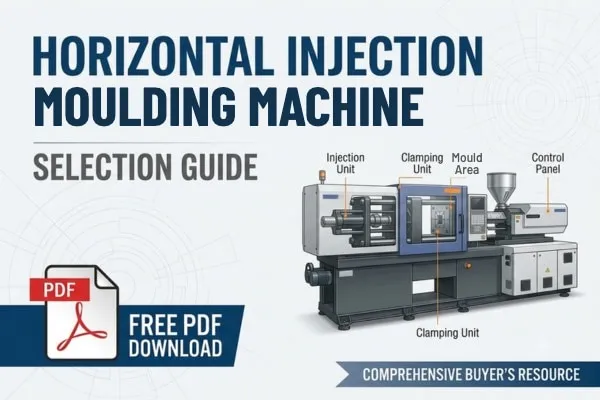
Horizontal Injection Moulding Machine Selection Guide
A step-by-step guide covering the key inputs needed to select the right machine: product weight, projected area, number of cavities, plastic material, required clamping force, shot / injection capacity, mould dimensions, production quantity, cycle time and automation requirement.
Download PDFPDF · 265 KB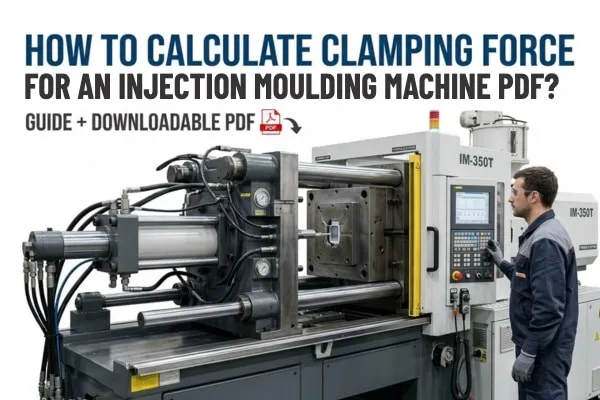
How to Calculate Clamping Force for an Injection Moulding Machine
A clear methodology that explains how clamping force is calculated, covering projected area, injection pressure, safety factor, number of cavities and material considerations.
Download PDFPDF · 363 KBFurniture & Hardware Components & Machine Guide
A guide to Furniture & Hardware components, covering chairs, stools, tables, drawers, storage, hinges, drawer channels, knobs, castors and fittings. It explains large-part moulding, mould height, POM and nylon hardware, and how to match each part to a suitable machine.
Download PDFPDF · 203 KB
FAQs / Buyer Questions
Questions fixing makers ask about moulding hollow-wall and toggle anchors.
Which Injection Moulding Machine Is Used to Make Anchor Fasteners?
Plasterboard and hollow block anchor moulds often run on the E Series. Moulds with several slides or many cavities can need the H Series for platen space. Core pull circuits on the machine should match the number of slides.Why Must Nylon Anchors Be Tested After Conditioning?
Dry-as-moulded nylon is stiffer and more brittle than nylon that has taken up moisture in use. Pull-out and folding tests on conditioned parts show how the anchor behaves in the wall, so design on conditioned values.Does Changing Material or Regrind Affect the Anchor Rating?
Yes. Pull-out load is the published rating, so a new grade, supplier or regrind ratio means retesting before release. Hold the material and regrind ratio fixed once a batch passes.
How Does an Anchor Differ From a Plain Wall Plug in Moulding?
A wall plug expands inside a solid wall and has simpler geometry. Hollow-wall and toggle anchors fold or spread behind the board, which needs slides or core pulls and thin hinge sections that must fill without short shots.Can Pratishna Recommend a Machine for My Anchor Fastener?
Yes. Share the anchor drawing or sample, board type, material, part weight, number of slides and cavities, mould size and monthly quantity, and Pratishna Engineers will recommend a machine.Does the Machine Suit Other Fixing and Fastener Parts Too?
Yes. Wall plugs, push-fit panel clips, knock-down fittings and coat hook brackets can use the same machines, subject to each mould and shot size.
Technical Disclaimer
Disclaimer: The information provided in this webpage is for general informational and educational purposes only. It is based on technical references and industry information available at the time of preparation and may be subject to change. It does not constitute engineering, technical, commercial or professional advice, nor does it constitute a quotation, specification, warranty or contractual commitment by Pratishna Engineers.
Actual injection moulding machine and process requirements vary according to the component design, material, mould, production volume, machine configuration and operating conditions. The information, examples, calculations and recommendations provided should be independently evaluated and verified for the specific application before making any equipment, process or production decision. Information obtained from third-party sources remains subject to the accuracy and limitations of those sources.
Limitation of Liability: Pratishna Engineers makes no representation or warranty, express or implied, regarding the completeness, accuracy or suitability of the information for any particular application. To the extent permitted by applicable law, Pratishna Engineers shall not be liable for any loss, damage, cost or consequence arising from reliance on or use of the information contained in this webpage. Final machine selection, configuration and application suitability should be confirmed with Pratishna Engineers based on complete and accurate project requirements.
Talk to Our Engineers
Planning a New Injection Moulding Project?
Share your component, material, mould and production target. Our engineering team will help you identify the right machine configuration.
- Machine Sales
- +91 99690 38542
- Service Support
- +91 97689 28259
- Sales Email
- [email protected]