
Injection Moulding Machine for Baby Walkers
Baby walkers are made on horizontal injection moulding machines, with frame, tray and base moulded separately from impact-modified PP copolymer, HDPE and ABS. Projected area of the frame or tray sets the clamping force, and part depth sets mould height and opening stroke. Warpage on the wide base matters most, since a twisted frame rocks and loads the wheels unevenly.
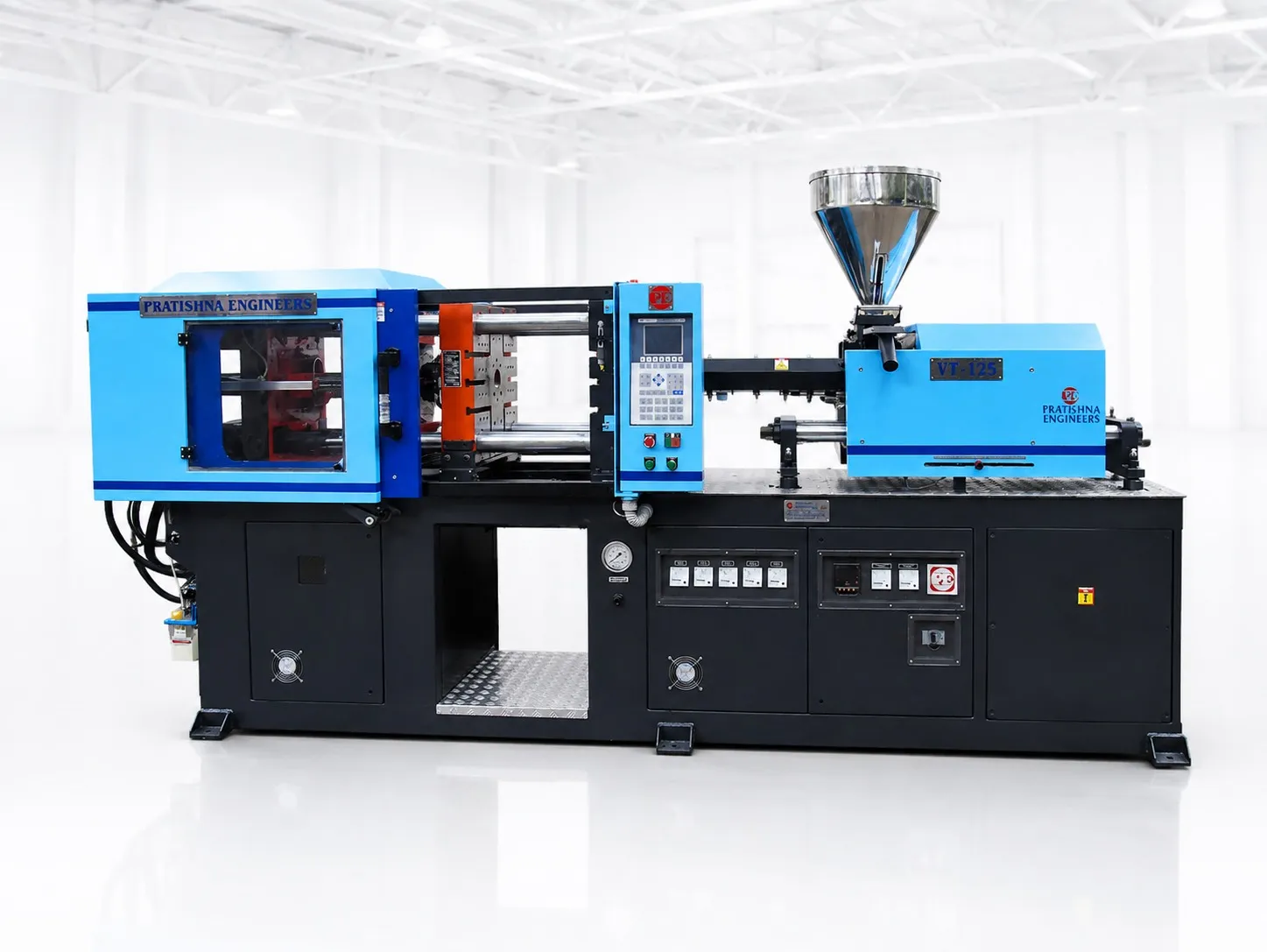
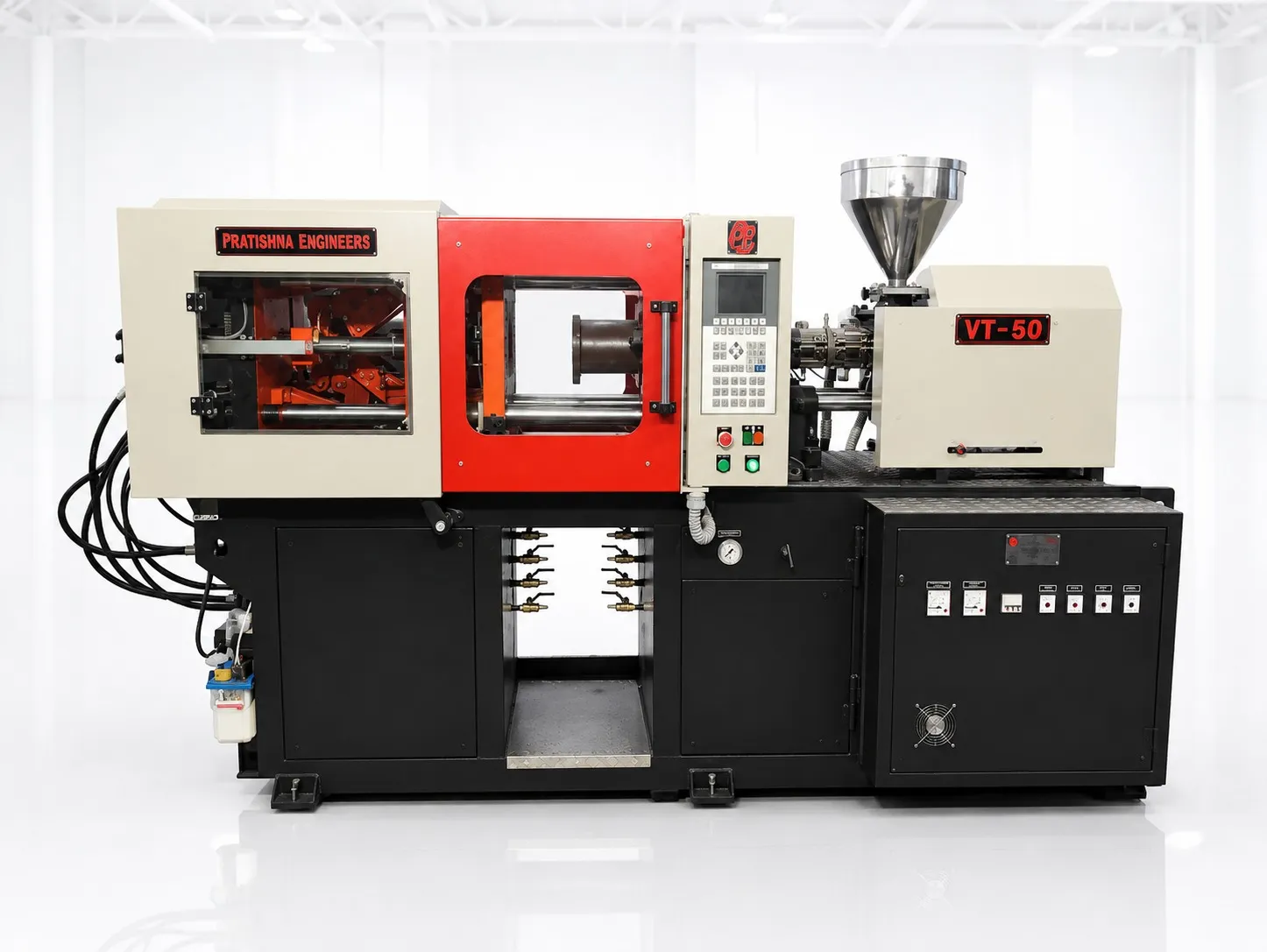
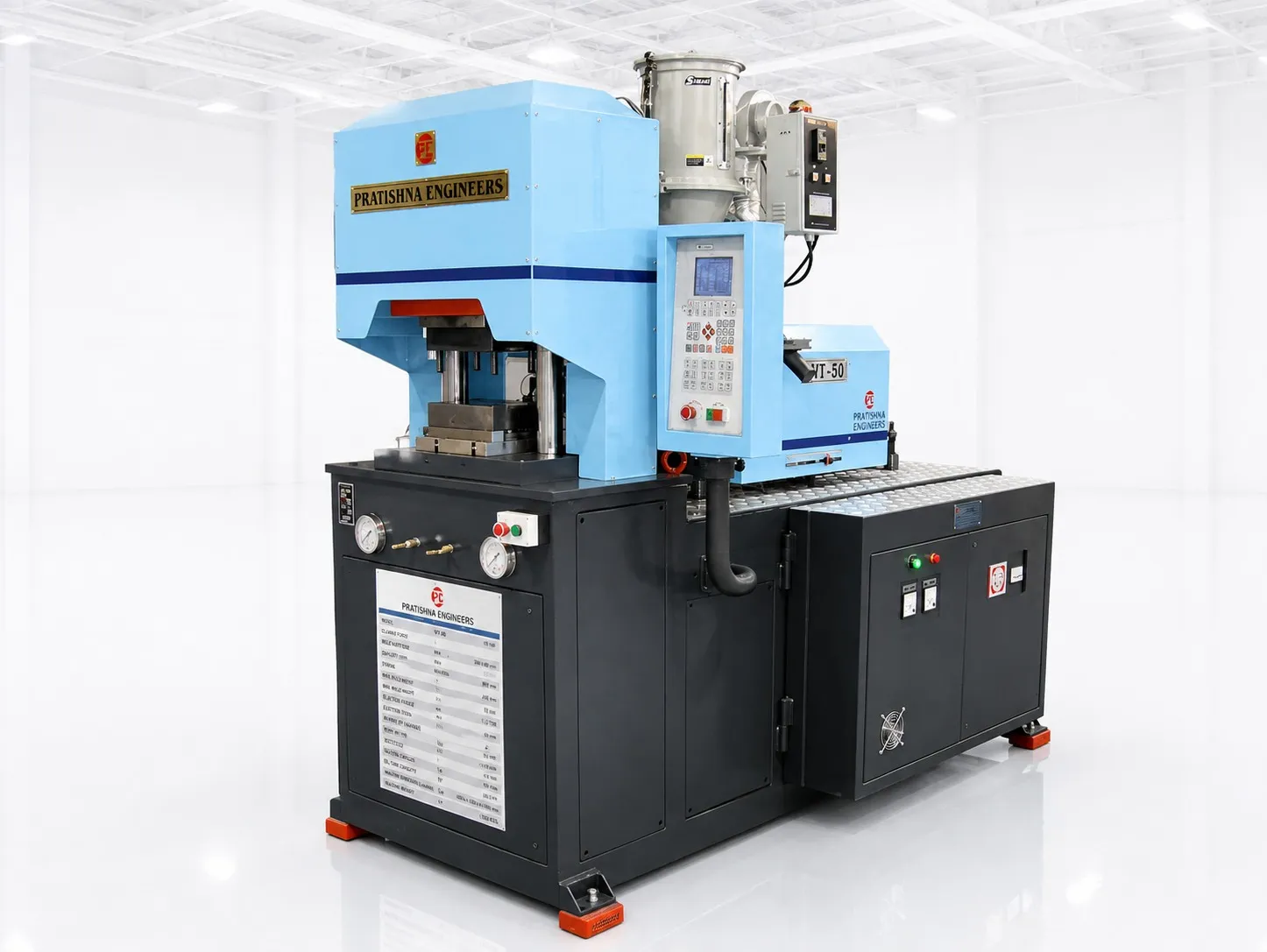
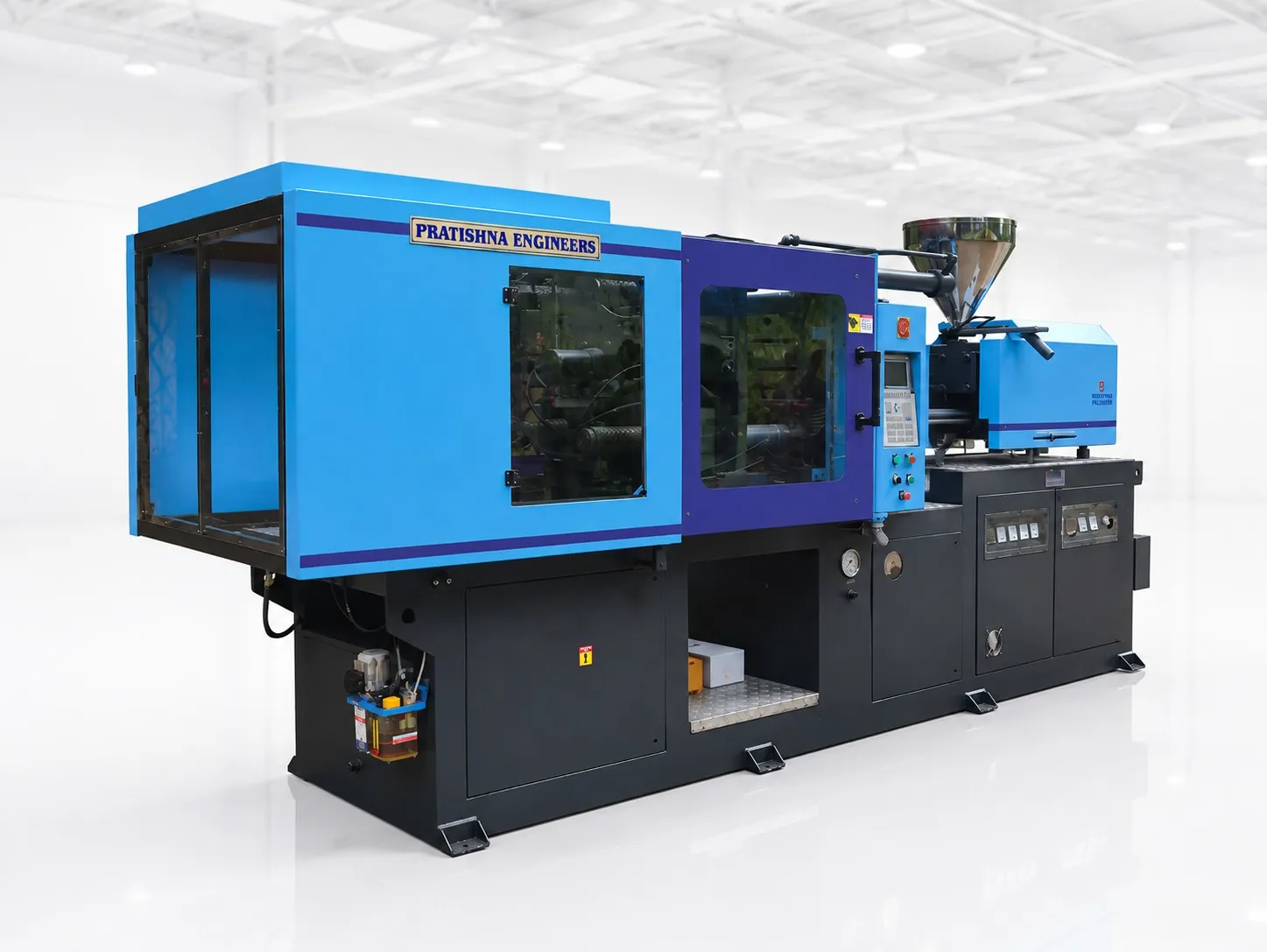
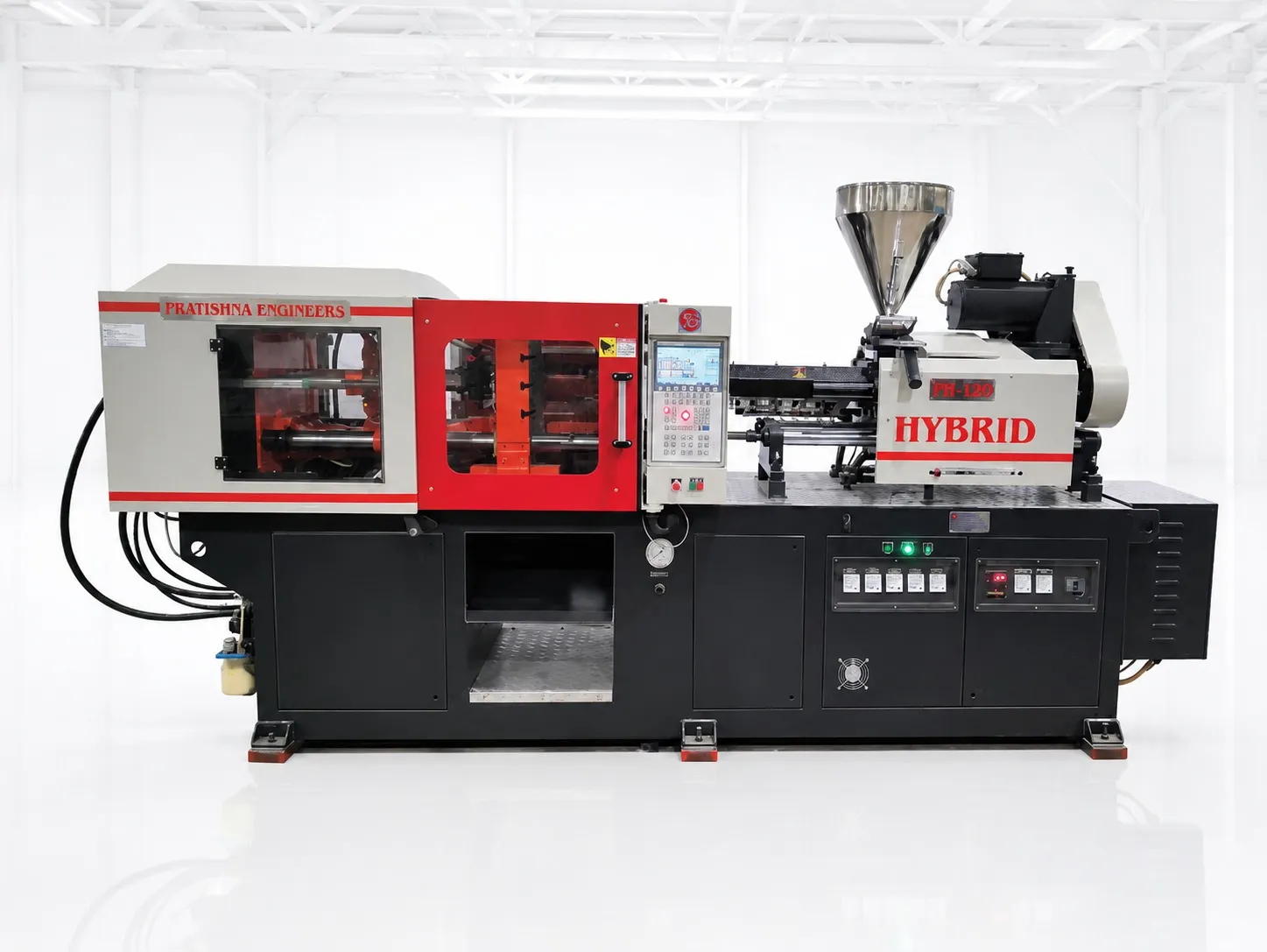
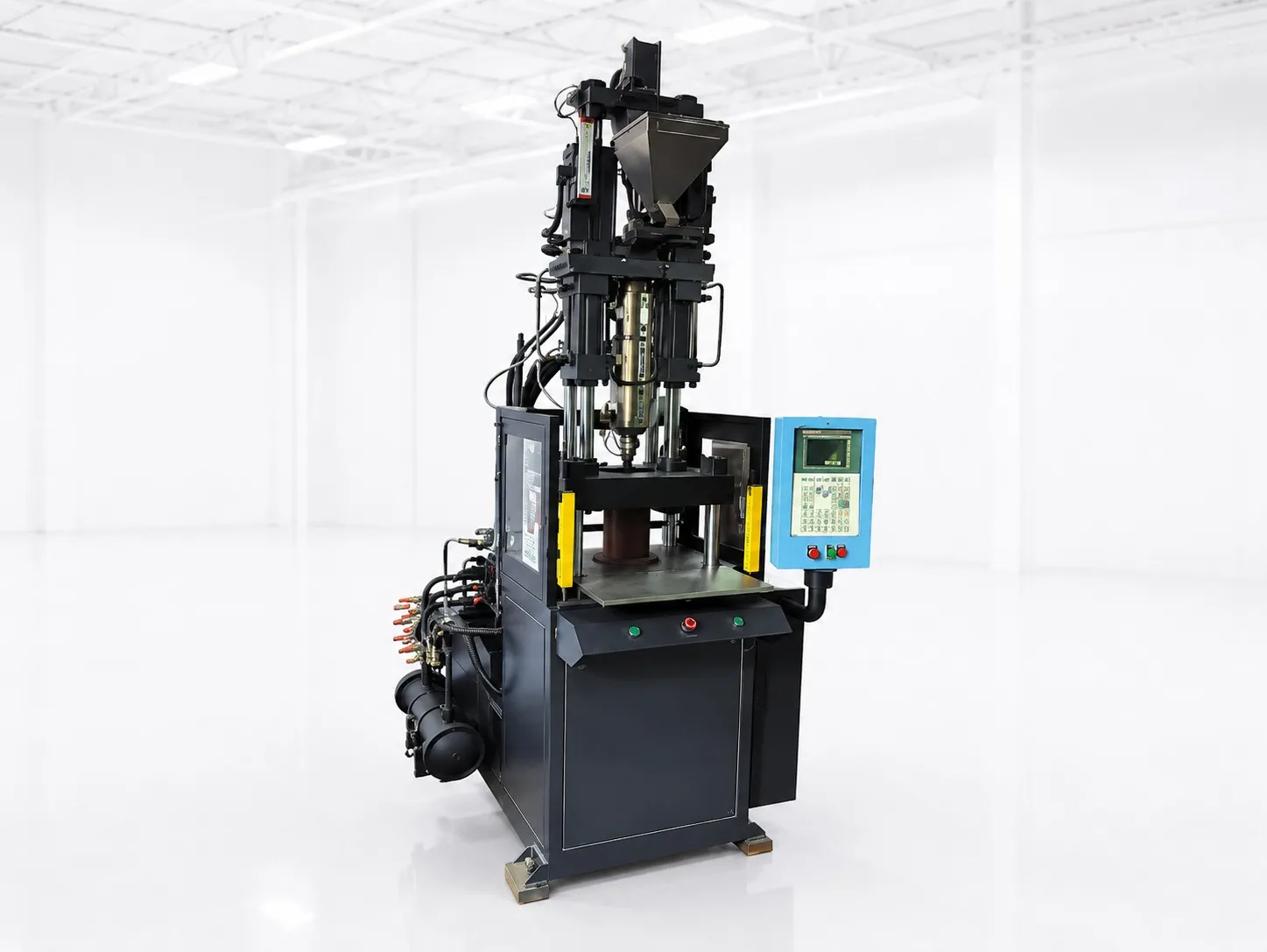
Machine choice for walkers turns on platen size, tie-bar spacing and opening stroke for large, deep moulds. Pratishna Engineers supplies horizontal and two-platen injection moulding machines for baby walker parts and can recommend a configuration, with larger sizes discussed on request.
Manufacturing Baby Walkers?
Share the frame and tray sizes, material and mould details, and Pratishna Engineers will suggest a machine to suit.
Machine Requirements for Baby Walker Moulding
Walker parts are large, carry a child and must pass stability and stair-fall checks, so the machine has to handle:
- Large projected area of frame and tray mouldings
- Tie-bar spacing and platen size for wide frame moulds
- Impact-modified PP copolymer for drops and outdoor use
- Flat base with low warpage for even wheel loading
- Folding joints moulded without finger-trap gaps
- Bosses and ribs for wheels, brake pads and leg locks
Recommended Machine for Baby Walkers
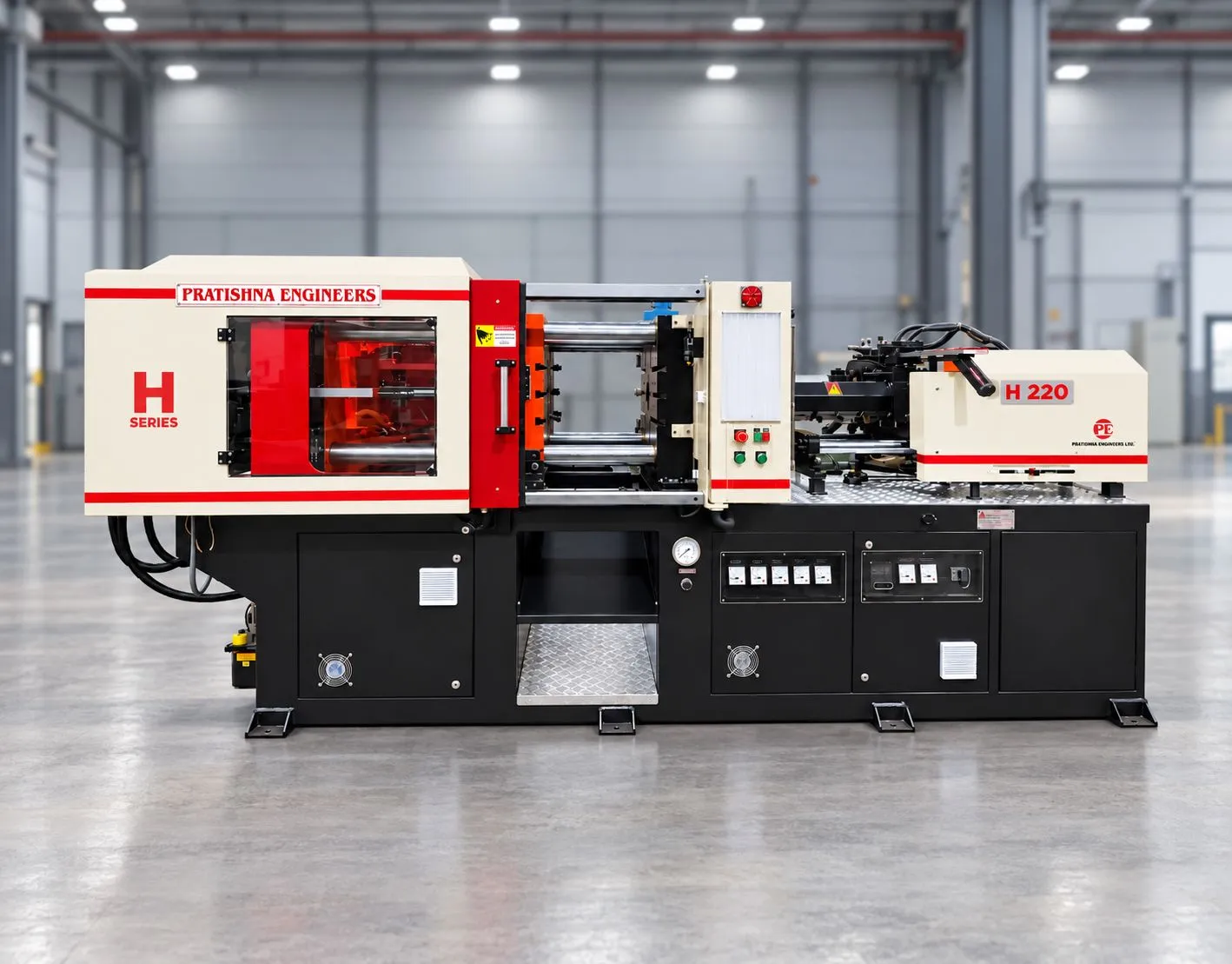
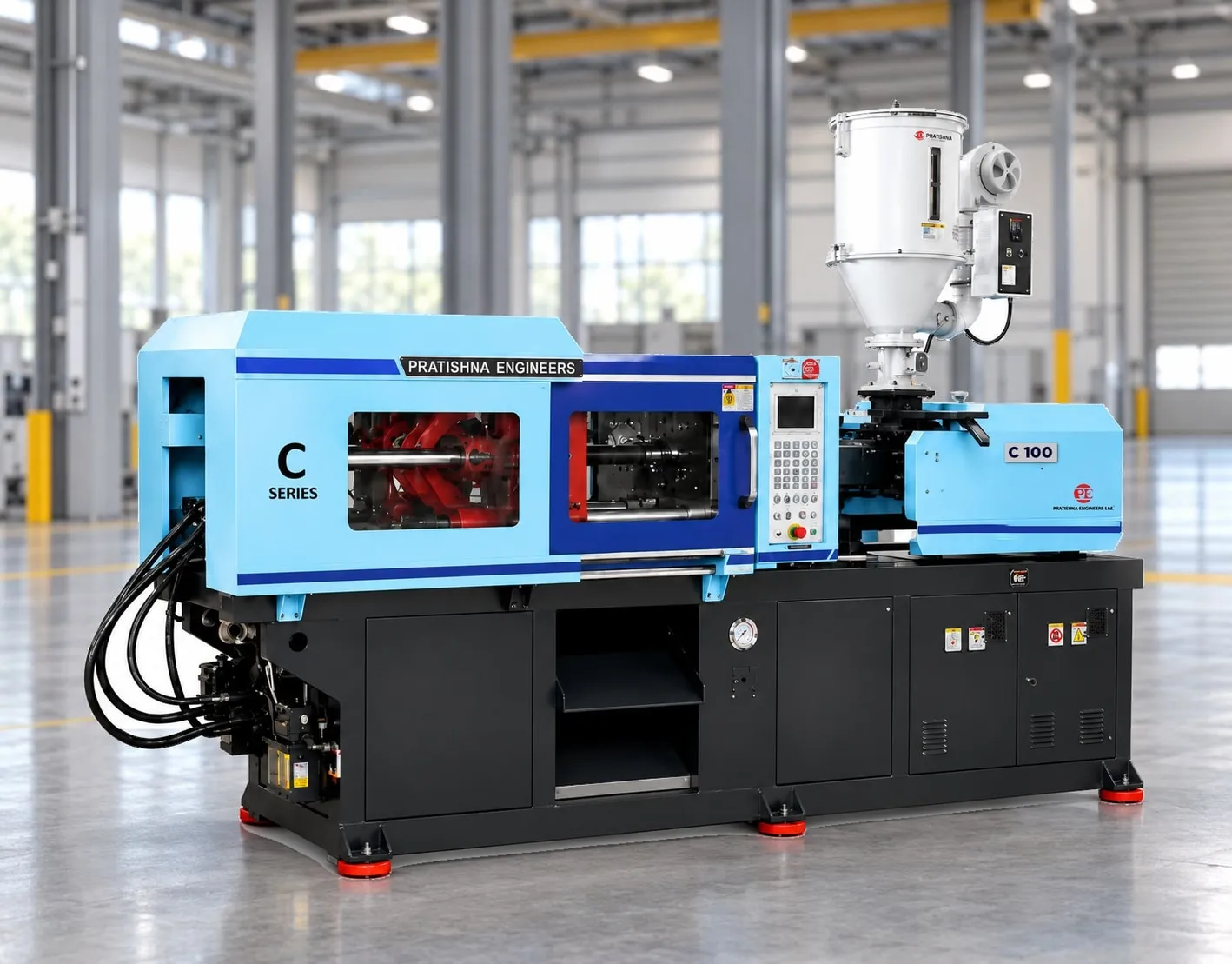
Walker frames and trays are among the larger toy mouldings. The H Series (120-350 T) and Two-Platen PHM Series (160-350 T), which suits deeper tools, cover smaller walker frames and trays, while the C Series (140-320 T) handles seats, play panels and wheel housings. Larger one-piece frames beyond these sizes are discussed on request.
Not Sure Which Machine You Need?
Send your walker frame and tray drawings to discuss the machine size.
Why Choose Pratishna Engineers?
- Application-Based Machine Selection
- In-House Engineering & Manufacturing
- Multiple Machine Series
- Production-Focused Solutions
- End-to-End Technical Support
- Industry-Specific Solutions
- Machine Lifecycle Support
Injection Moulding Machine Buyer Resources
Download practical resources to help you select, size and specify the right machine.
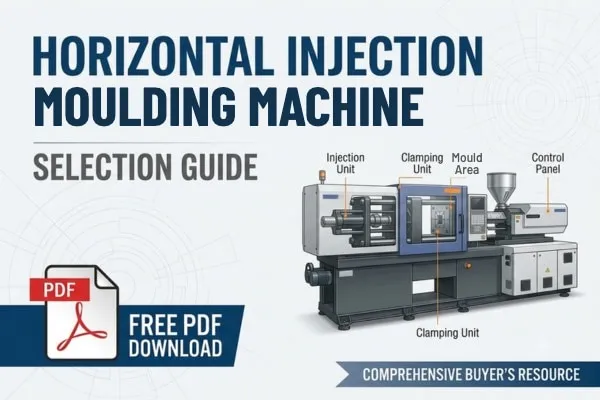
Horizontal Injection Moulding Machine Selection Guide
A step-by-step guide covering the key inputs needed to select the right machine: product weight, projected area, number of cavities, plastic material, required clamping force, shot / injection capacity, mould dimensions, production quantity, cycle time and automation requirement.
Download PDFPDF · 265 KB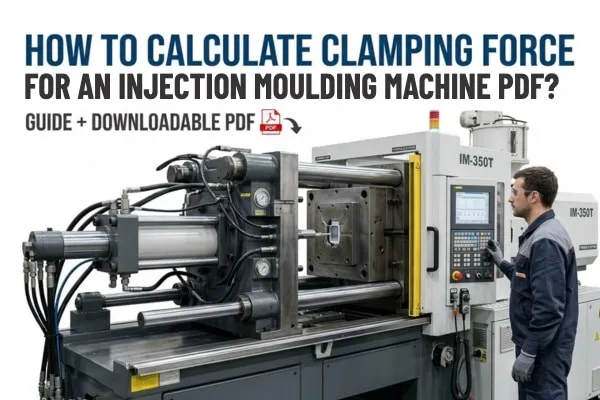
How to Calculate Clamping Force for an Injection Moulding Machine
A clear methodology that explains how clamping force is calculated, covering projected area, injection pressure, safety factor, number of cavities and material considerations.
Download PDFPDF · 363 KBToys & Games Components & Machine Guide
A guide to Toys & Games components, covering toys, building blocks, baby walkers, ride-on parts, wheels, figures, game pieces and play equipment fittings. It explains ABS, PP and PE, toy-safe materials, tight tolerances, colour, and how to match each part to a suitable machine.
Download PDFPDF · 207 KB
FAQs / Buyer Questions
Points walker makers raise most often when planning moulds and machines.
Which Injection Moulding Machine Is Used to Make Baby Walkers?
The frame and tray decide the size. Smaller walkers fit the upper H or PHM range, play panels and seats fit the C Series, and the largest one-piece frames need more clamping force, discussed on request.Are Baby Walkers Allowed in Every Market?
No. Some countries ban baby walkers and others control them through safety standards on stability, braking and stair falls. Check the rules of each target market before the mould is made.Which Material Suits Baby Walker Frames?
Impact-modified PP copolymer is common for frames and bases, since walkers are dropped, loaded and used outdoors. HDPE suits some trays, ABS suits play panels and TPE suits brake pads.
How Is Warpage Controlled on a Large Walker Base?
Use even walls with ribs instead of thick sections, several gates or a hot runner for balanced filling, and cooling that reaches the corners. Large bases are often held in a fixture while they cool after ejection.Can Pratishna Recommend a Machine for My Baby Walker?
Yes. Share drawings or samples of the frame, tray and seat, the material, part weights, mould dimensions and annual volume, and Pratishna Engineers will advise a suitable machine.Does the Machine Suit Other Large Toy Parts Too?
Yes. The same machines can mould ride-on and push toy bodies, outdoor play equipment fittings, educational storage cases and larger playset parts, subject to the mould.
Technical Disclaimer
Disclaimer: The information provided in this webpage is for general informational and educational purposes only. It is based on technical references and industry information available at the time of preparation and may be subject to change. It does not constitute engineering, technical, commercial or professional advice, nor does it constitute a quotation, specification, warranty or contractual commitment by Pratishna Engineers.
Actual injection moulding machine and process requirements vary according to the component design, material, mould, production volume, machine configuration and operating conditions. The information, examples, calculations and recommendations provided should be independently evaluated and verified for the specific application before making any equipment, process or production decision. Information obtained from third-party sources remains subject to the accuracy and limitations of those sources.
Limitation of Liability: Pratishna Engineers makes no representation or warranty, express or implied, regarding the completeness, accuracy or suitability of the information for any particular application. To the extent permitted by applicable law, Pratishna Engineers shall not be liable for any loss, damage, cost or consequence arising from reliance on or use of the information contained in this webpage. Final machine selection, configuration and application suitability should be confirmed with Pratishna Engineers based on complete and accurate project requirements.
Talk to Our Engineers
Planning a New Injection Moulding Project?
Share your component, material, mould and production target. Our engineering team will help you identify the right machine configuration.
- Machine Sales
- +91 99690 38542
- Service Support
- +91 97689 28259
- Sales Email
- [email protected]