
Injection Moulding Machine for Refrigerator Liners
Refrigerator inner liners and door liners are mostly vacuum formed from HIPS or ABS sheet, and where injection moulded they need very large two-platen injection moulding machines. Surface area and cabinet depth set the tonnage. Warp control matters most, along with a grade that resists the foam injected behind the liner.
Machine selection for a moulded liner turns on platen size, opening stroke for the cabinet depth and even cooling over a thin wall. Pratishna Engineers supplies two-platen injection moulding machines and can review your liner and mould before any route is chosen.
Moulding Refrigerator Liners?
Share your liner drawing, material, wall thickness and mould size, and Pratishna Engineers will advise on the tonnage it needs.
Machine Requirements for Refrigerator Liner Moulding
A moulded liner is a large, thin, food-contact shell that is foamed in place after assembly. Points to settle first include:
- Process route settled first, moulded or vacuum formed
- Very large platen and long opening stroke
- Even cooling over a large thin surface
- Sink and warp control across wide flat faces
- Grade resistant to polyurethane foam and blowing agent
- Food-contact grade with clean, consistent processing
Recommended Machine for Refrigerator Liners
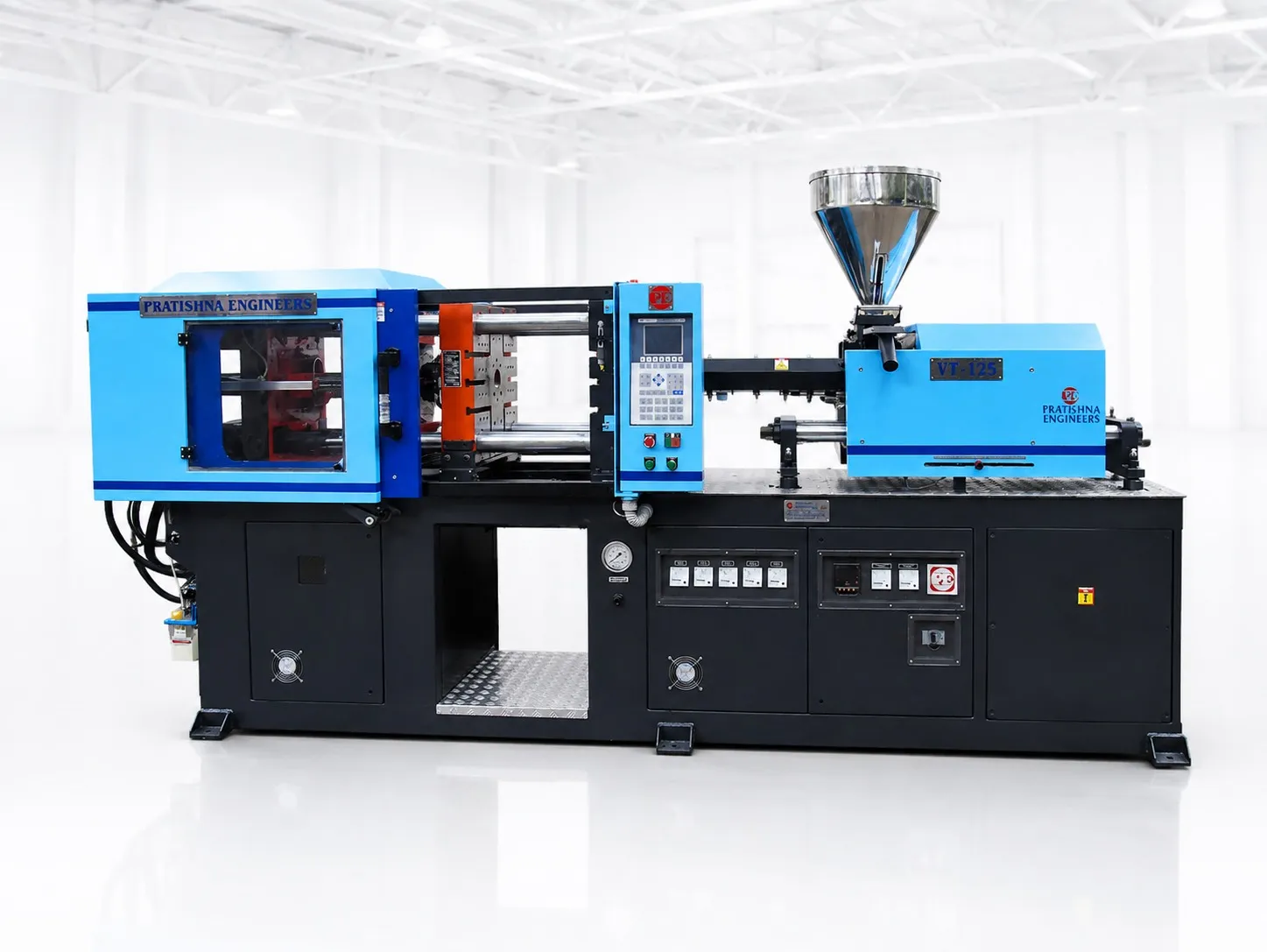
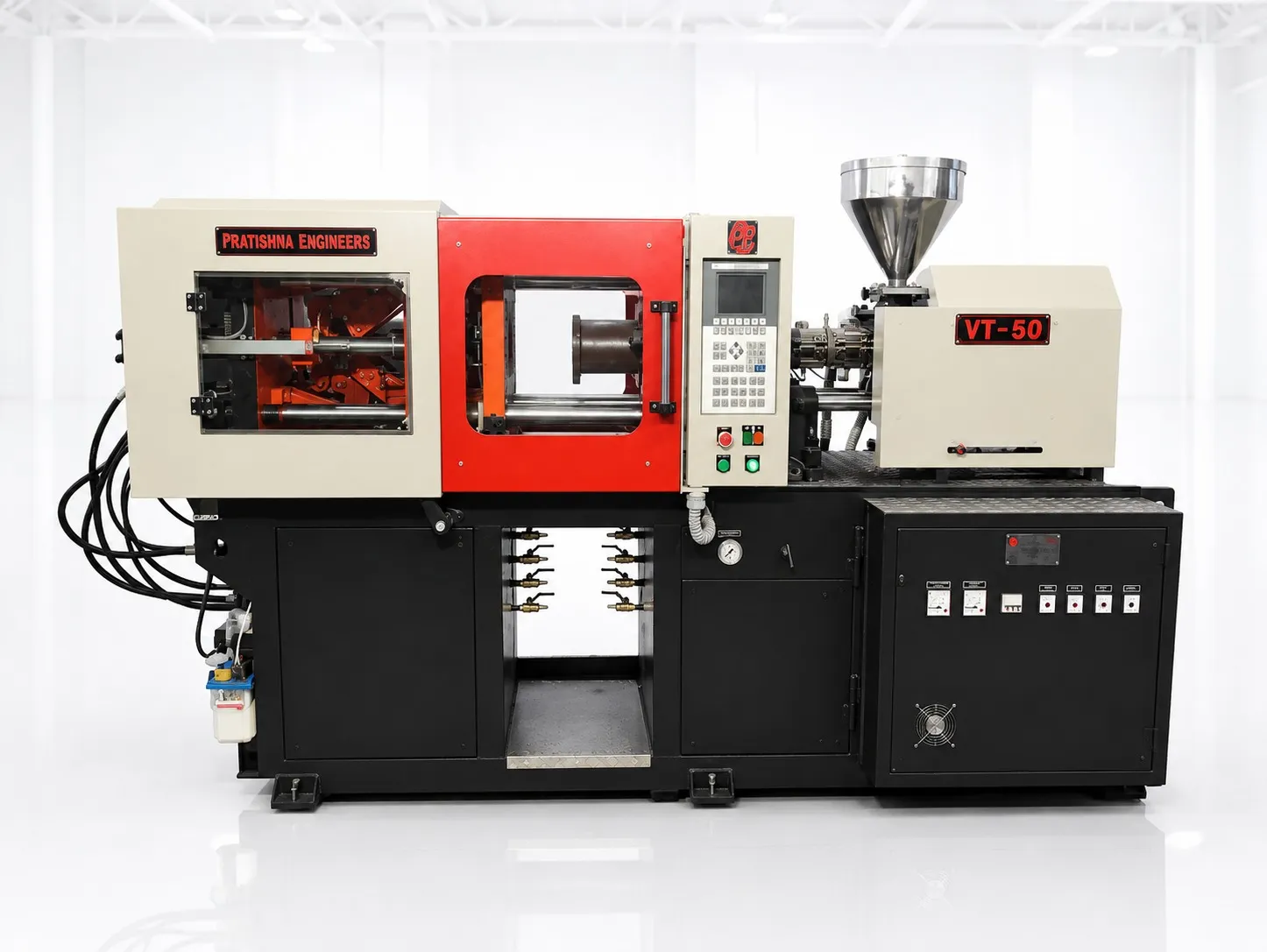
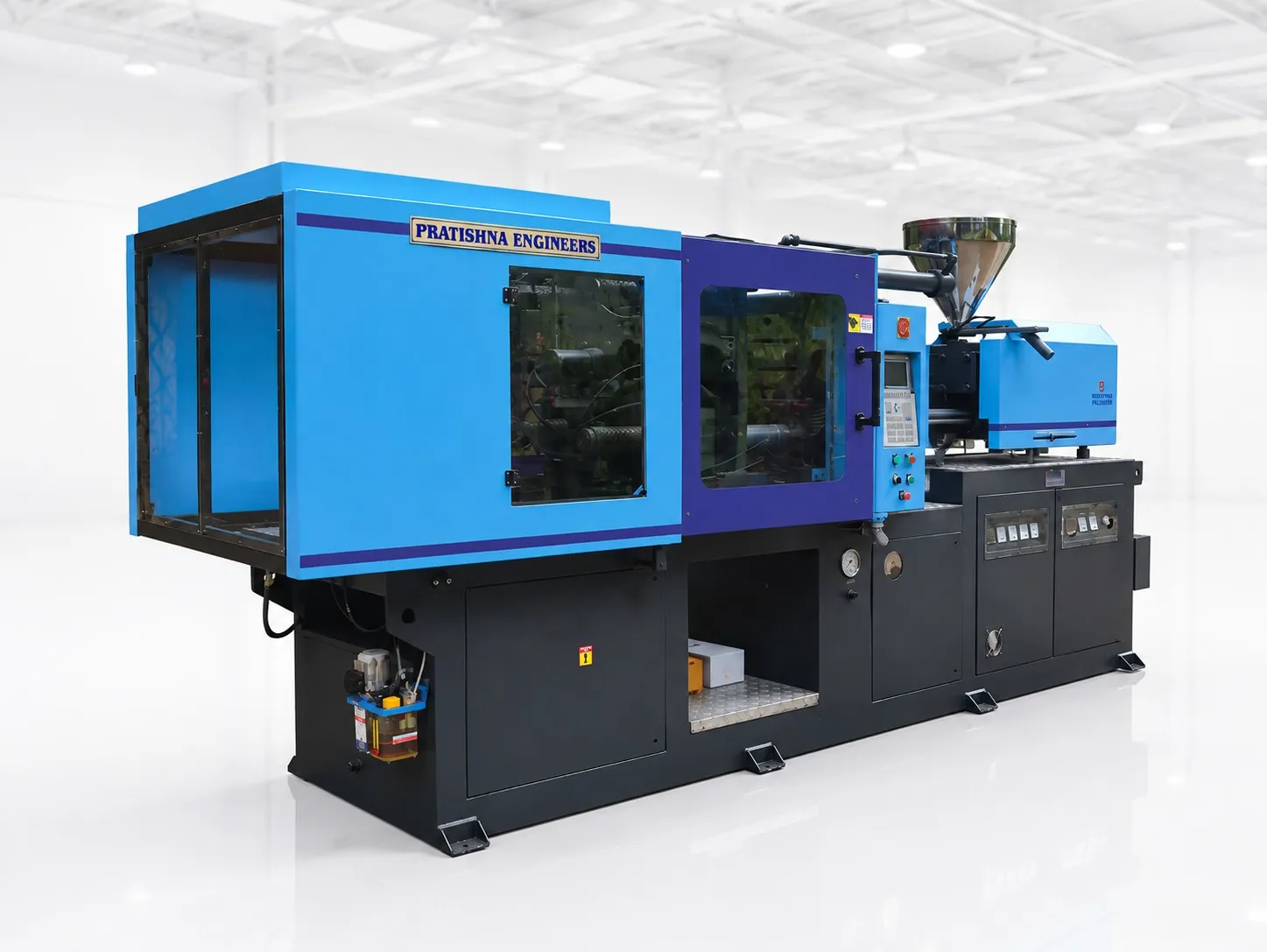
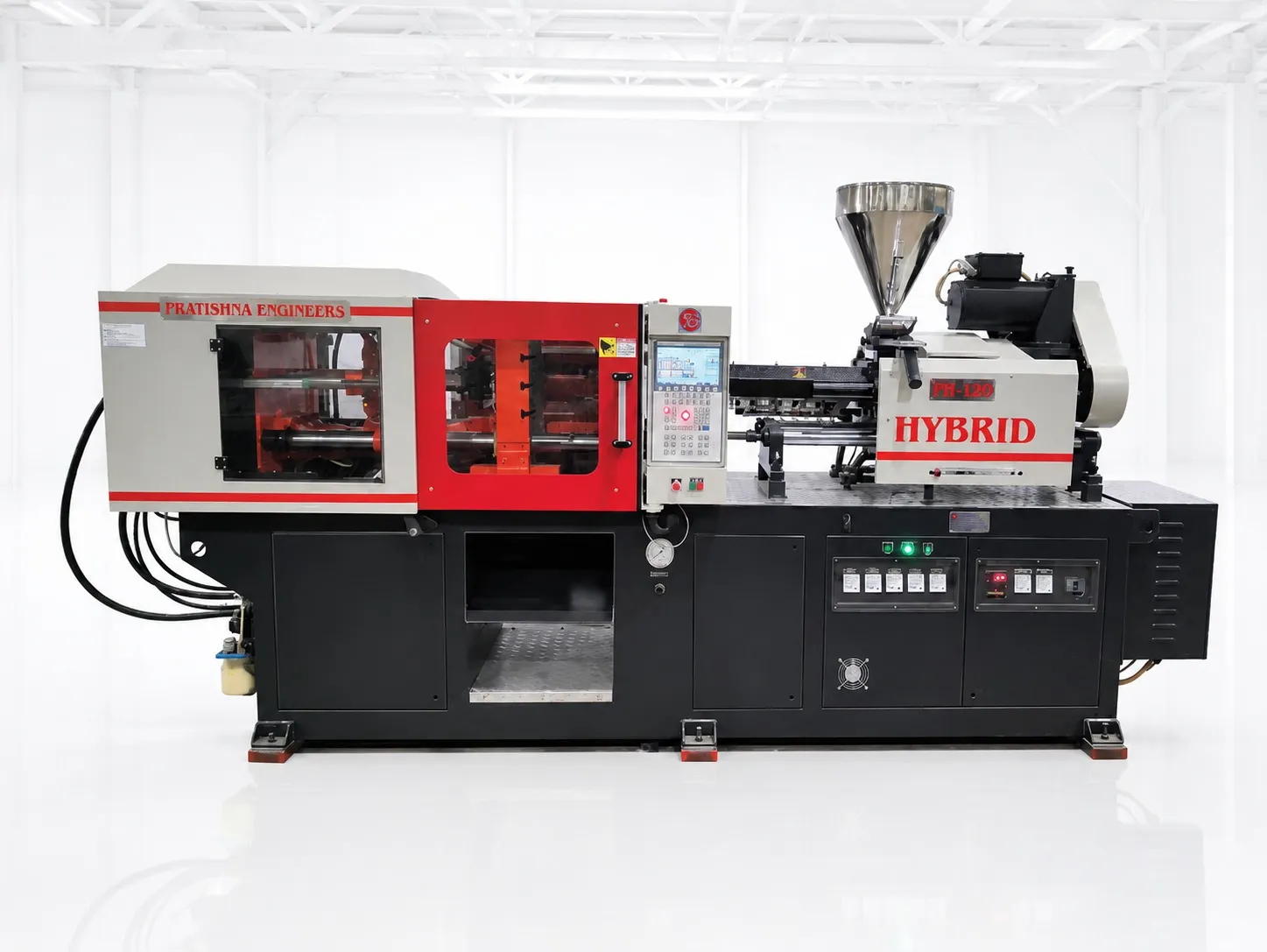
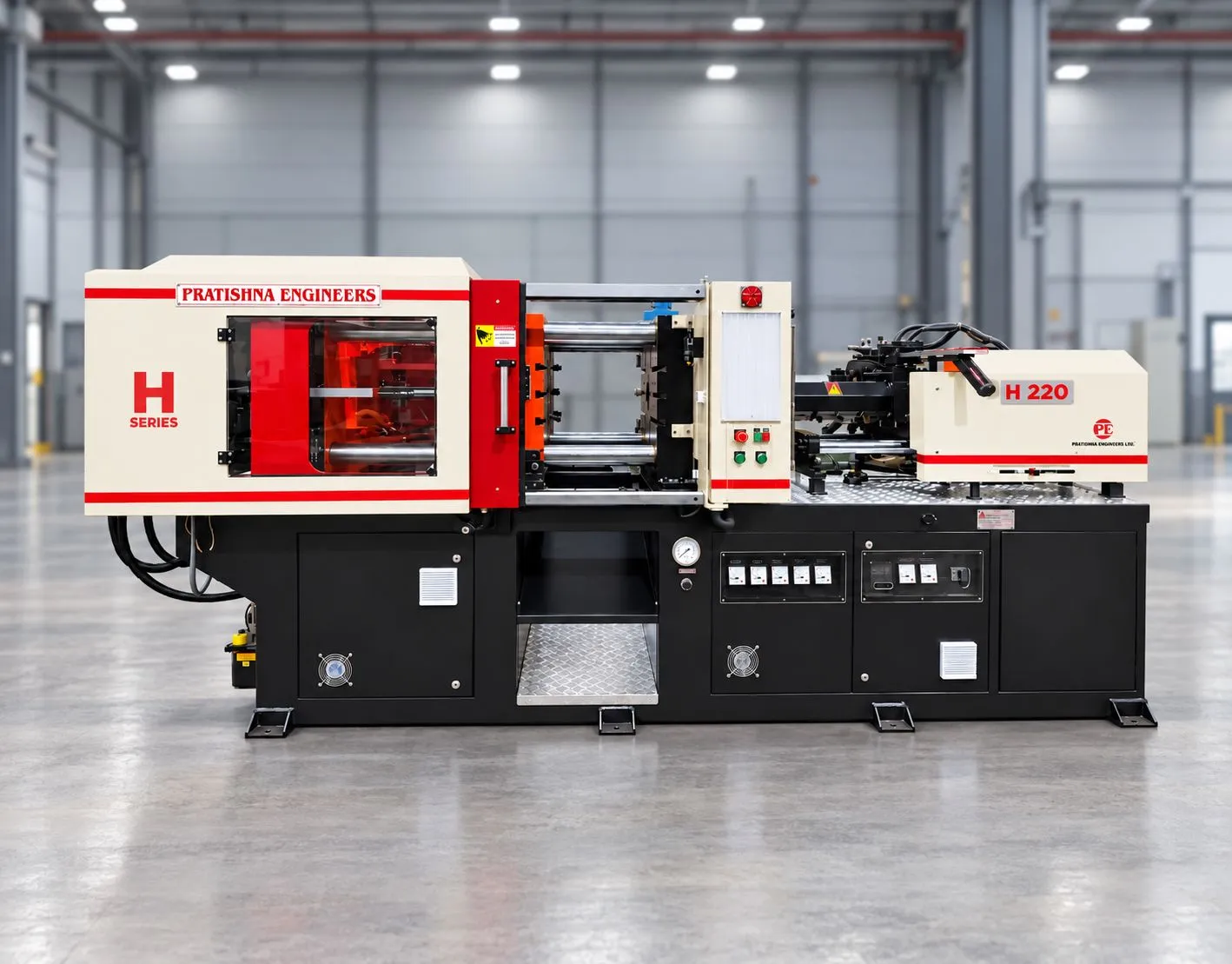
Moulded liners sit in the largest clamping force classes, well beyond the Two-Platen PHM Series (160-350 T) and the H Series (120-350 T). Those series fit smaller refrigerator parts, and Special Purpose machines are built to application. Pratishna Engineers asks for liner and mould details on enquiry and will say plainly whether a machine can be offered.
Not Sure Which Machine You Need?
Send your liner details so the process route and tonnage can be discussed.
Why Choose Pratishna Engineers?
- Application-Based Machine Selection
- In-House Engineering & Manufacturing
- Multiple Machine Series
- Production-Focused Solutions
- End-to-End Technical Support
- Industry-Specific Solutions
- Machine Lifecycle Support
Injection Moulding Machine Buyer Resources
Download practical resources to help you select, size and specify the right machine.
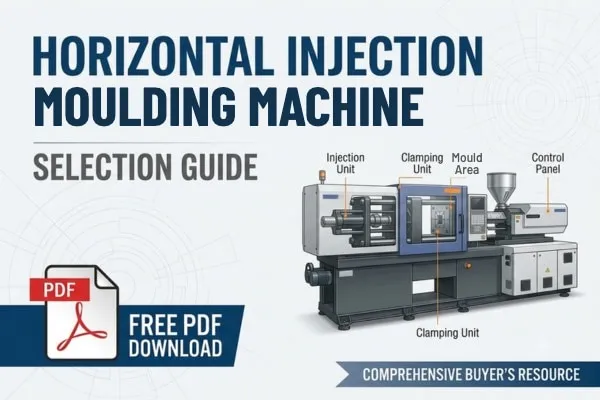
Two-Platen Injection Moulding Machine Selection Guide
A step-by-step guide covering the key inputs needed to select the right machine: product weight, projected area, part depth and opening stroke, number of cavities, plastic material, required clamping force, shot / injection capacity, mould dimensions and weight, production quantity, cycle time and automation requirement.
Download PDFPDF · 265 KB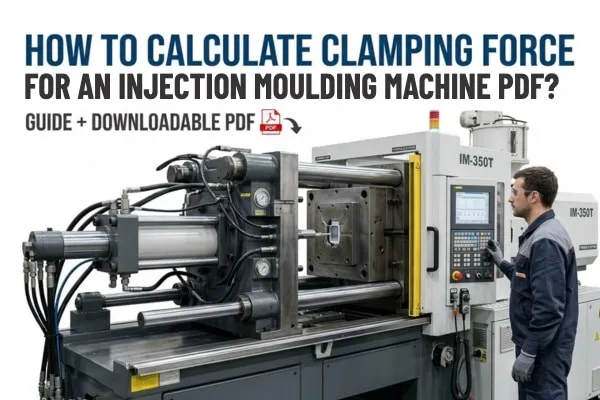
How to Calculate Clamping Force for an Injection Moulding Machine
A clear methodology that explains how clamping force is calculated, covering projected area, injection pressure, safety factor, number of cavities and material considerations.
Download PDFPDF · 363 KBWhite Goods & Appliances Components & Machine Guide
A guide to White Goods & Appliances components, covering washing machine tubs and panels, refrigerator liners and trays, AC louvres and grilles, fan blades, mixer bodies and appliance housings. It explains large-part moulding, cosmetic finish, flame-retardant grades, and how to match each part to a suitable machine.
Download PDFPDF · 204 KB
FAQs / Buyer Questions
What buyers usually ask before choosing a route for refrigerator liners.
Which Injection Moulding Machine Is Used to Make Refrigerator Liners?
Two-platen presses in the very large tonnage classes, because of the liner surface area and depth. No standard Pratishna series reaches that size, so liner projects are discussed individually.Are Refrigerator Liners Injection Moulded or Thermoformed?
Mass-market inner and door liners are usually vacuum formed from extruded HIPS or ABS sheet. Injection moulding is used for some designs, so the route should be settled before any machine or mould is quoted.Why Does Polyurethane Foam Matter for the Liner Grade?
The cabinet is foamed in place behind the liner, and the foam and its blowing agent can stress-crack some grades over years. The liner grade is chosen for resistance to the foam system in use.
How Is Sink Controlled on a Large Liner?
Even wall thickness, ribs and bosses sized to the wall, balanced gating and enough holding pressure control sink. Cooling across the whole surface also decides how flat the liner stays after ejection.Can Pratishna Recommend a Machine for My Refrigerator Liner?
Share the liner drawing, material grade, wall thickness, mould dimensions and volume, and say whether it is a cabinet or door liner. Pratishna Engineers will review the tonnage and advise on the options.Does the Machine Suit Other Refrigerator Parts Too?
The PHM and H Series can run smaller refrigerator mouldings such as shelves, drawers, egg trays and ice trays, along with water dispenser and drip tray parts, subject to the mould.
Technical Disclaimer
Disclaimer: The information provided in this webpage is for general informational and educational purposes only. It is based on technical references and industry information available at the time of preparation and may be subject to change. It does not constitute engineering, technical, commercial or professional advice, nor does it constitute a quotation, specification, warranty or contractual commitment by Pratishna Engineers.
Actual injection moulding machine and process requirements vary according to the component design, material, mould, production volume, machine configuration and operating conditions. The information, examples, calculations and recommendations provided should be independently evaluated and verified for the specific application before making any equipment, process or production decision. Information obtained from third-party sources remains subject to the accuracy and limitations of those sources.
Limitation of Liability: Pratishna Engineers makes no representation or warranty, express or implied, regarding the completeness, accuracy or suitability of the information for any particular application. To the extent permitted by applicable law, Pratishna Engineers shall not be liable for any loss, damage, cost or consequence arising from reliance on or use of the information contained in this webpage. Final machine selection, configuration and application suitability should be confirmed with Pratishna Engineers based on complete and accurate project requirements.
Talk to Our Engineers
Planning a New Injection Moulding Project?
Share your component, material, mould and production target. Our engineering team will help you identify the right machine configuration.
- Machine Sales
- +91 99690 38542
- Service Support
- +91 97689 28259
- Sales Email
- [email protected]